01
Sit for me
Curious about being drawn? A sitting is private, relaxed and collaborative, with plenty of time to talk, pause and find what feels right.
What sitting is likeJason BroadbentDrawings of men
This site contains artistic depictions of the nude male body, made from life. It is intended for adult viewers. Please enter only if you are over 18 and happy to see work of this kind.
Scroll
Selected drawings
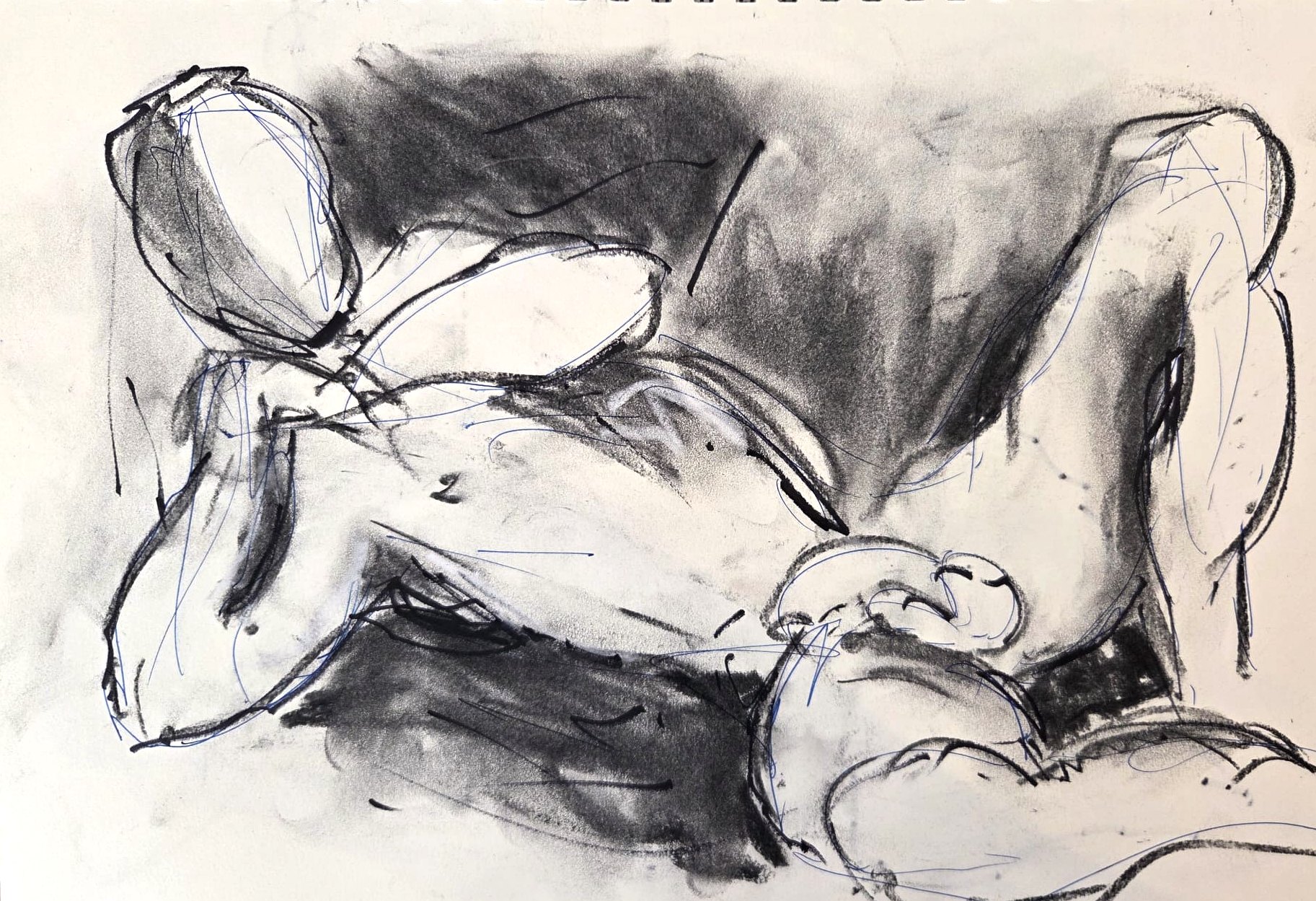
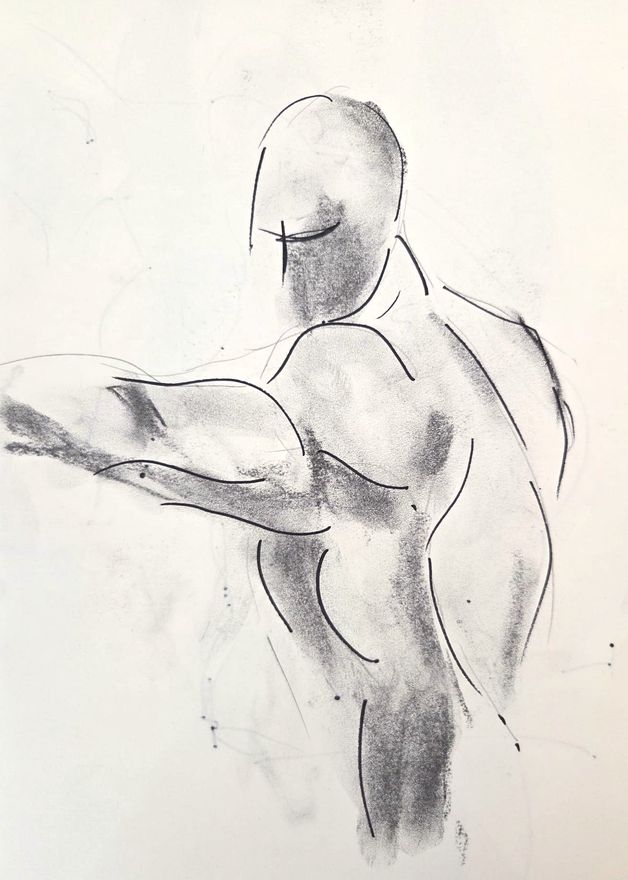
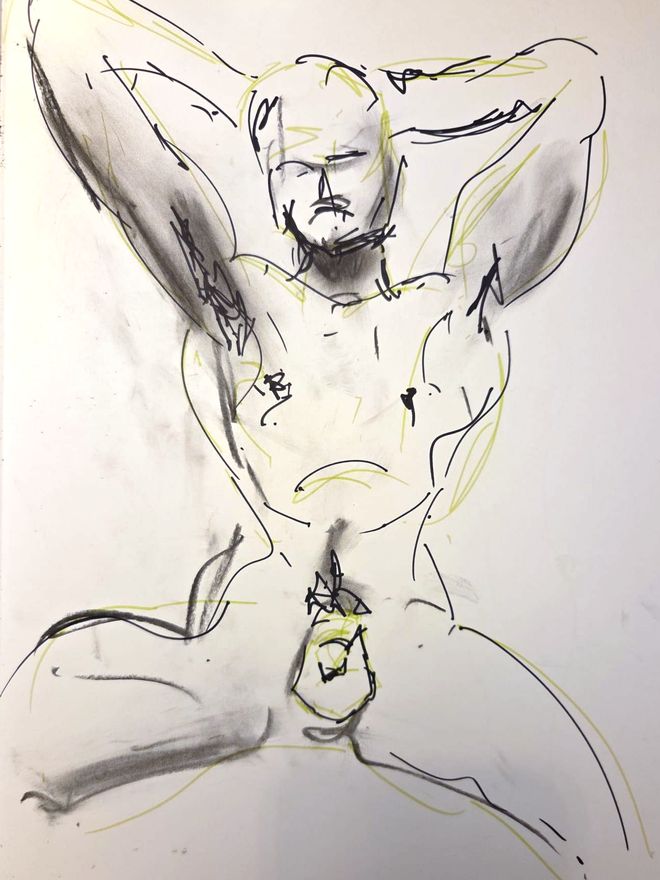
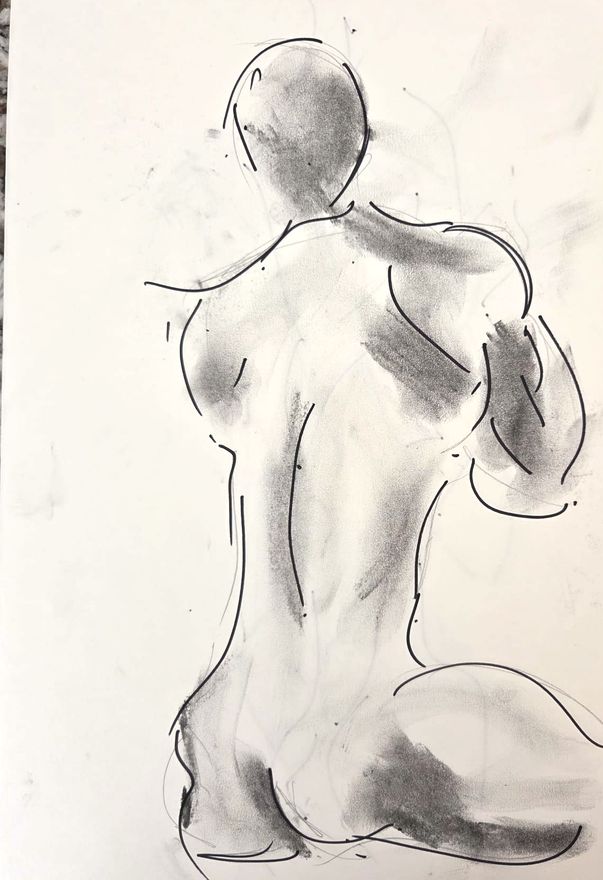
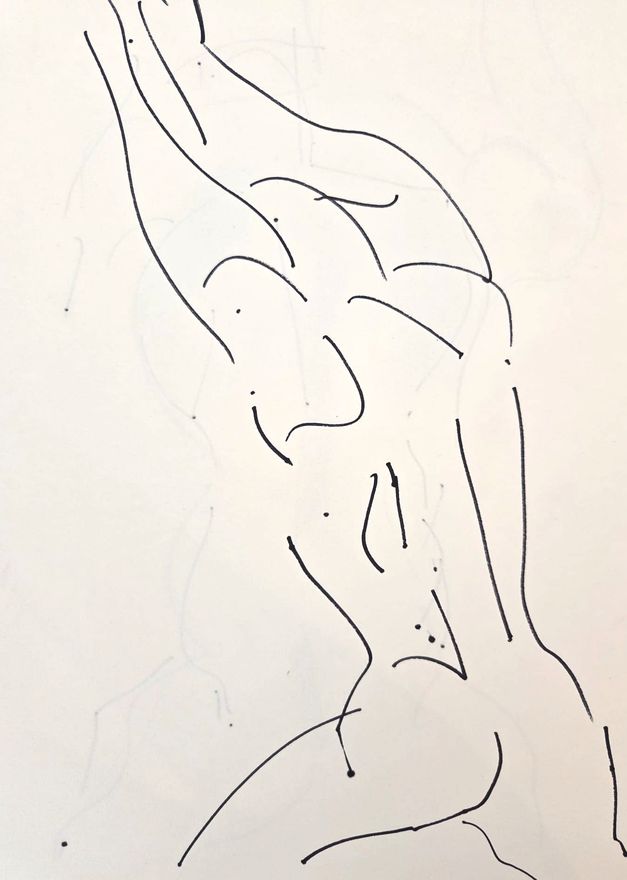
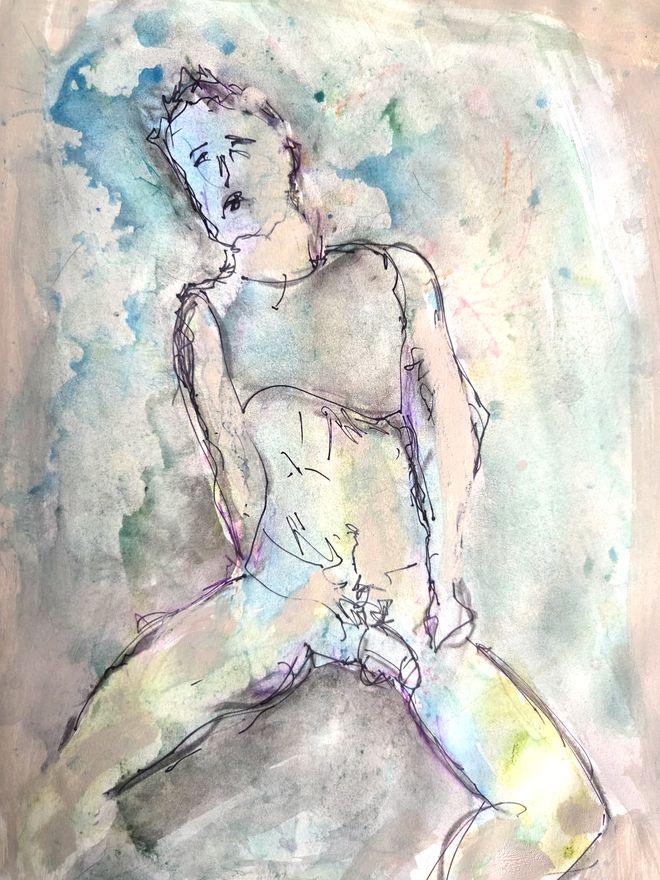
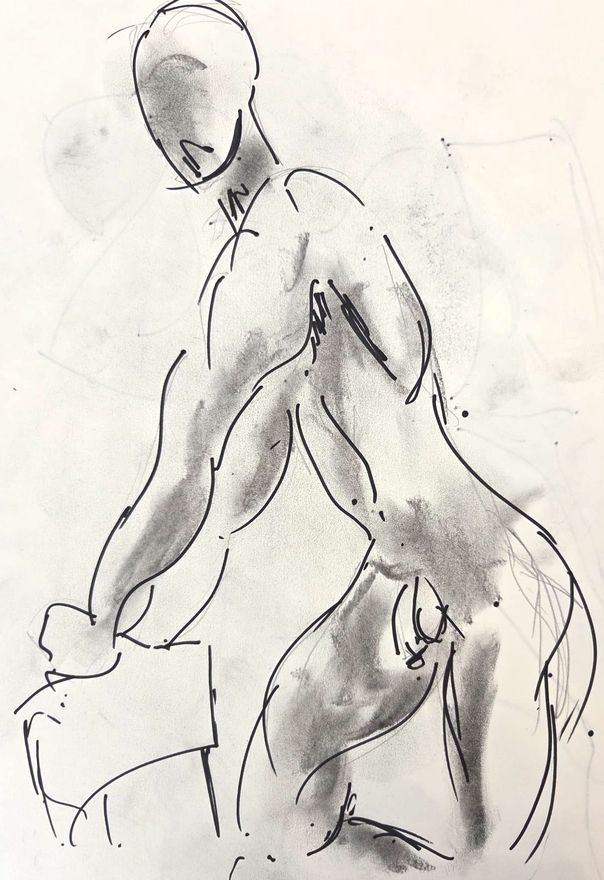
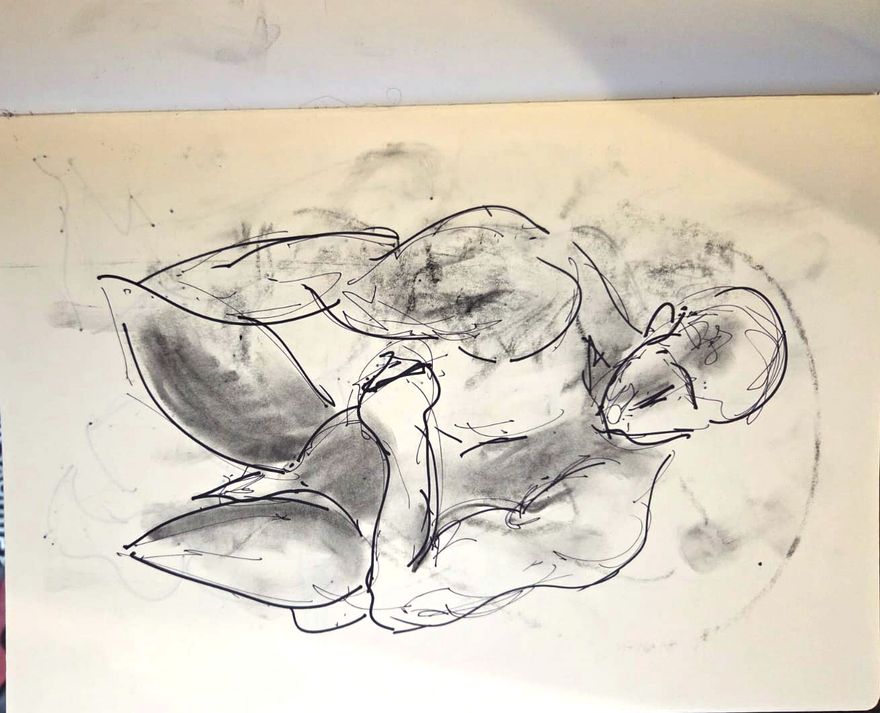
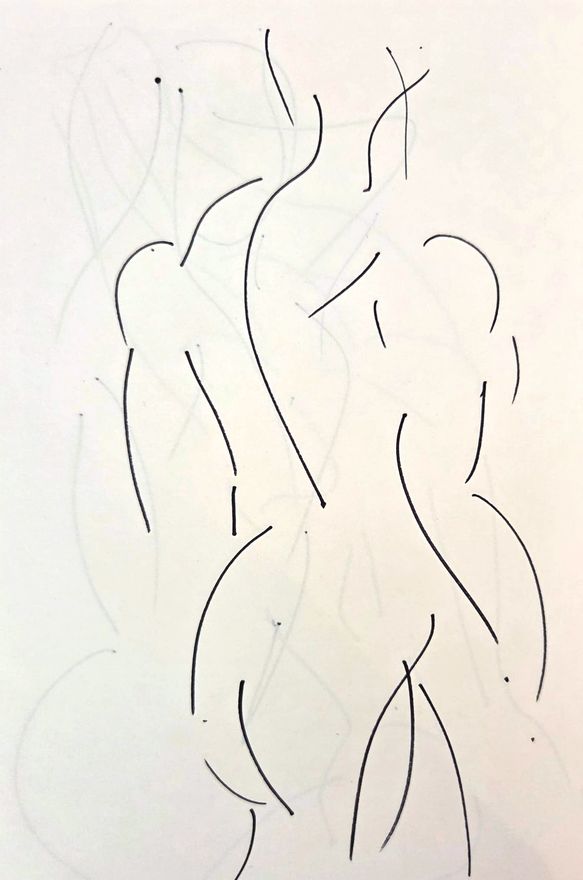
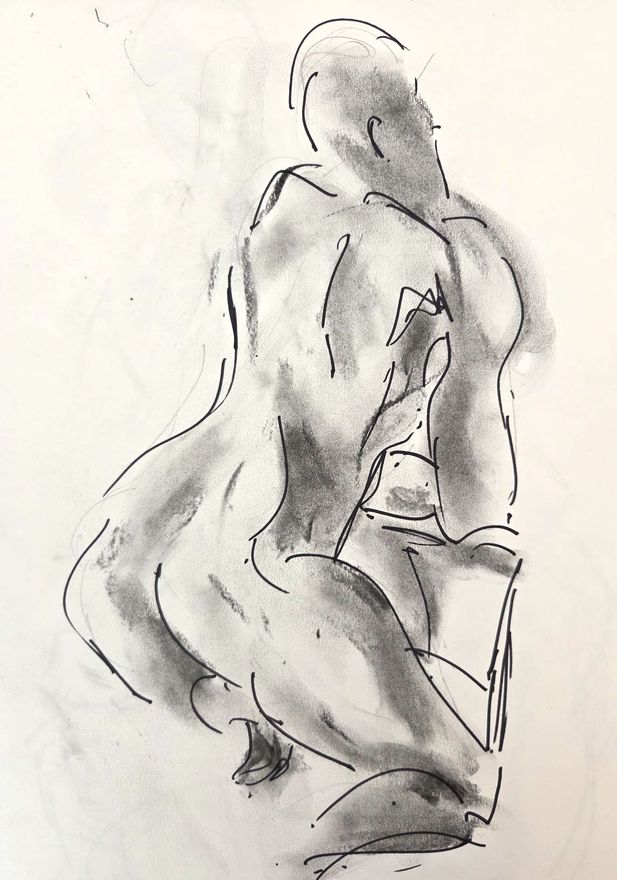
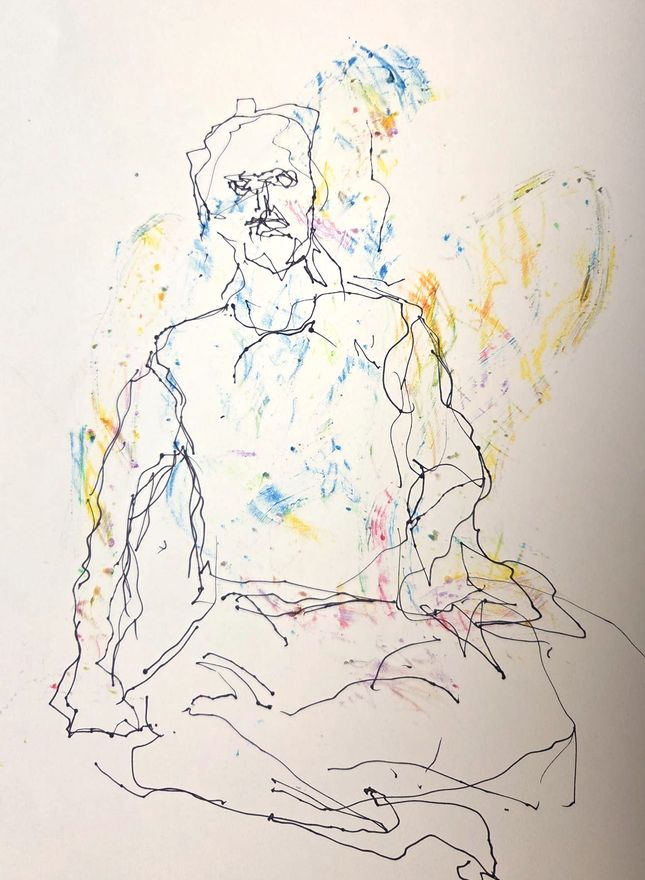
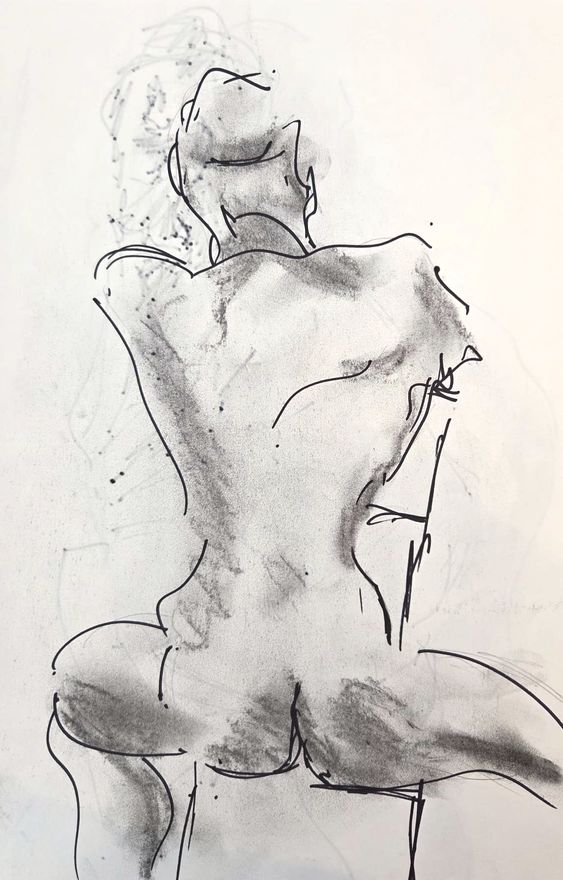
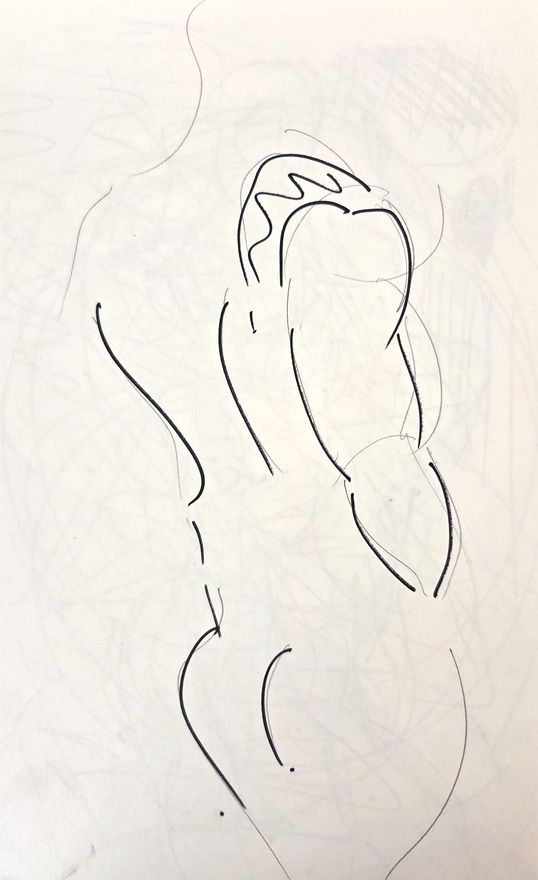
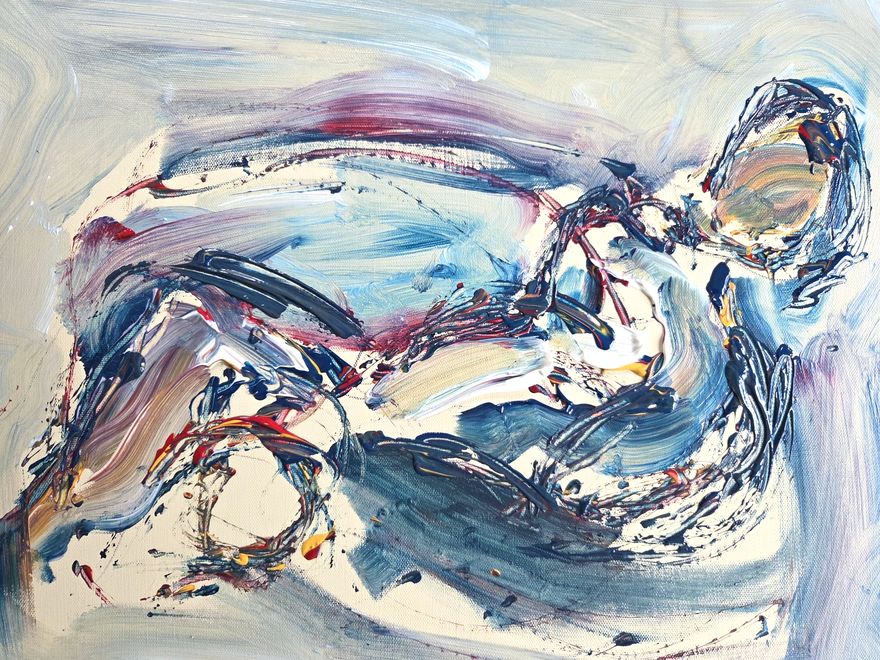
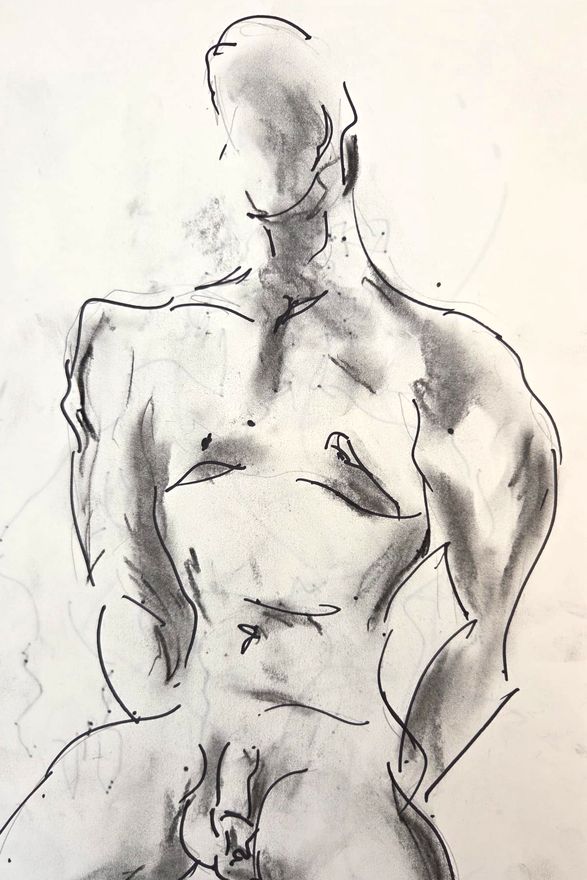
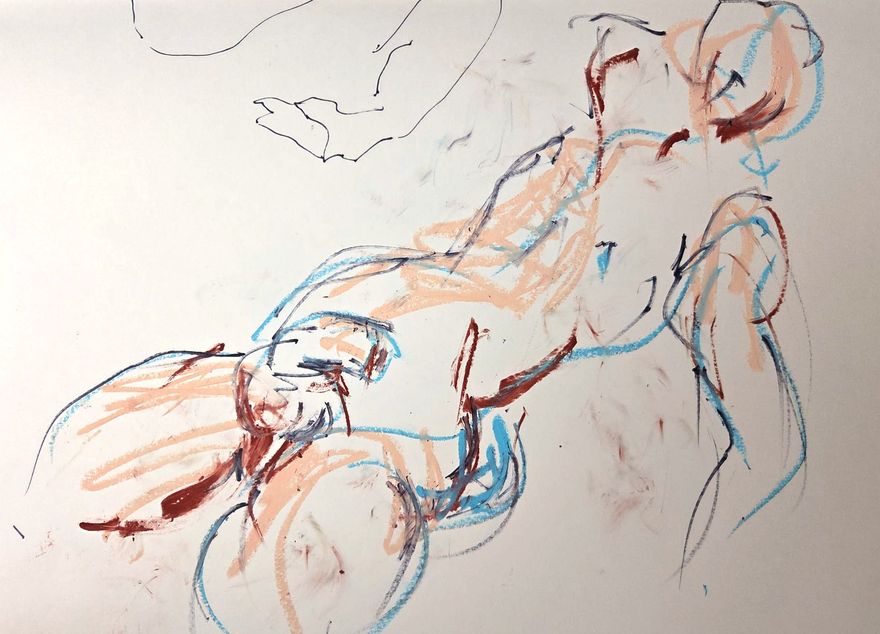
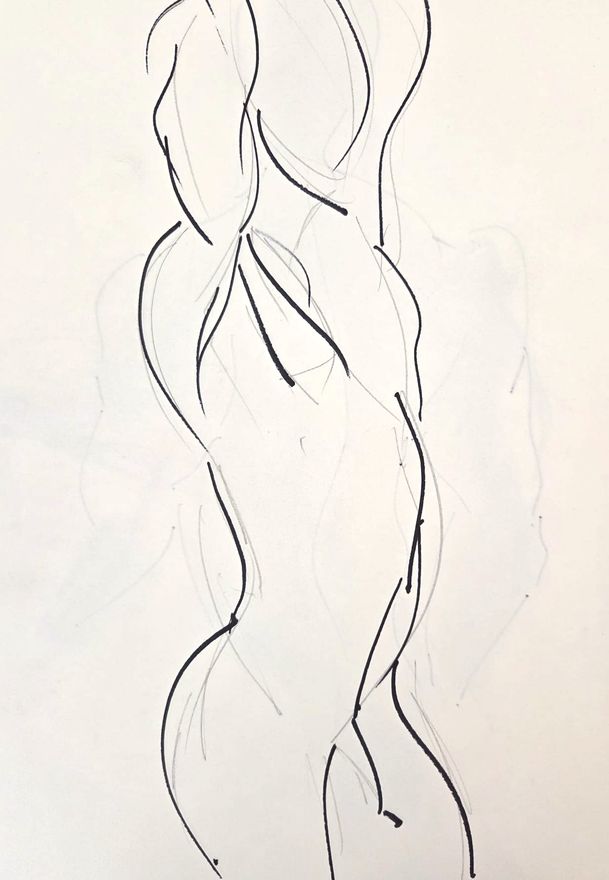
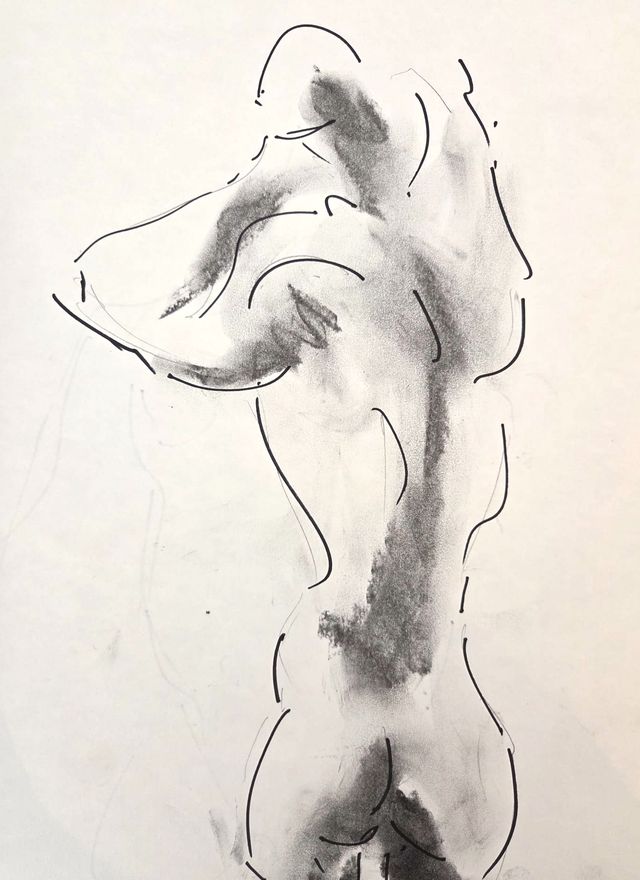
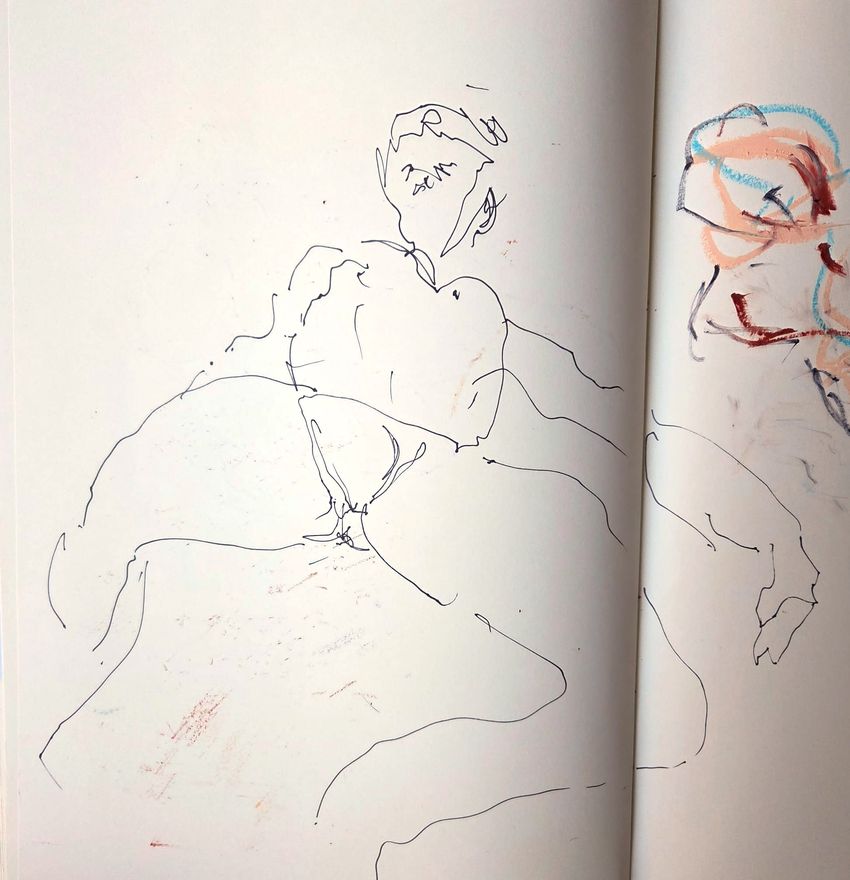
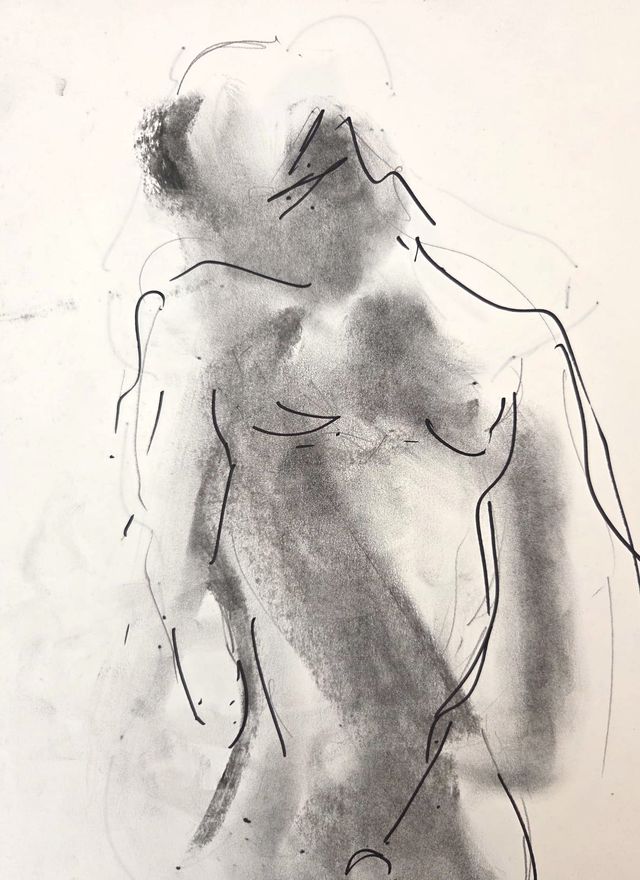
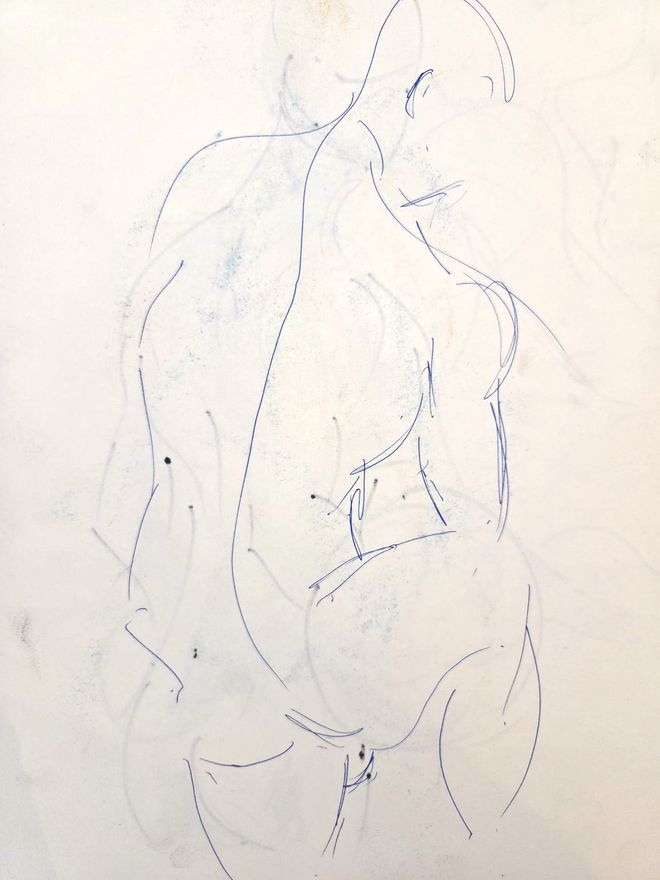
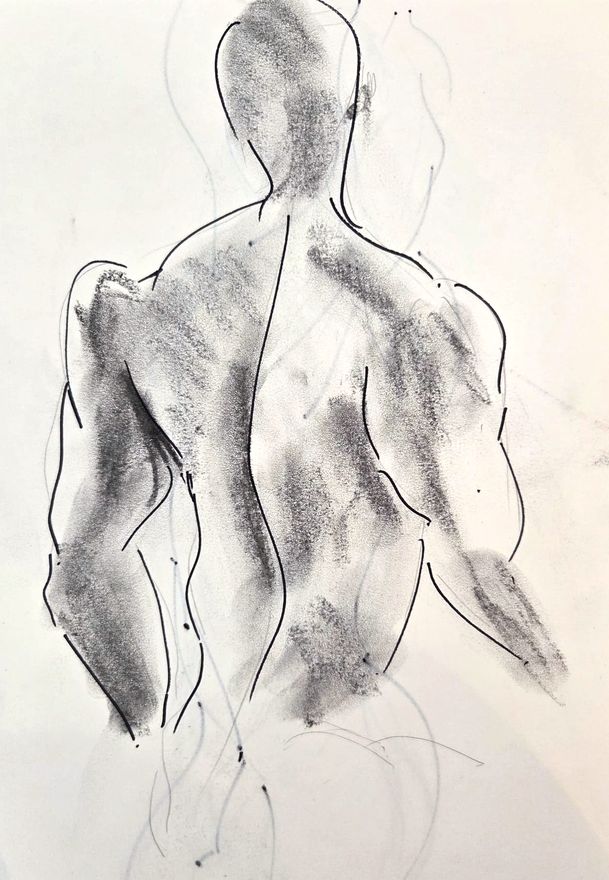
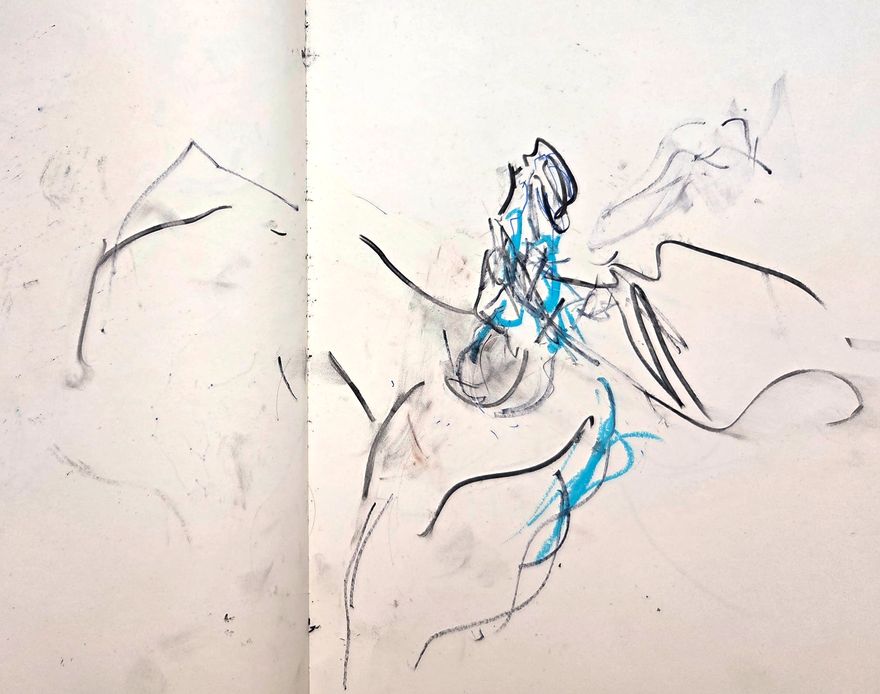
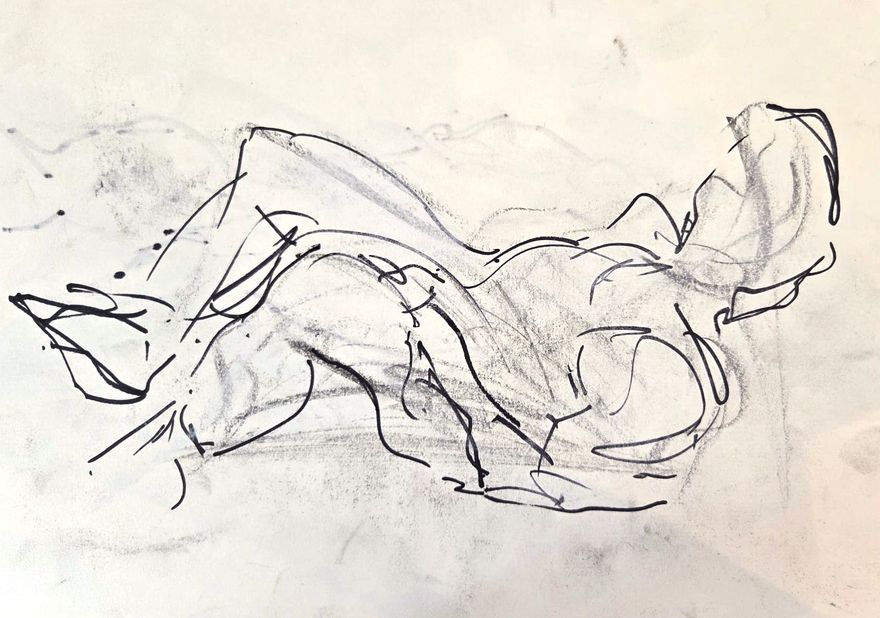
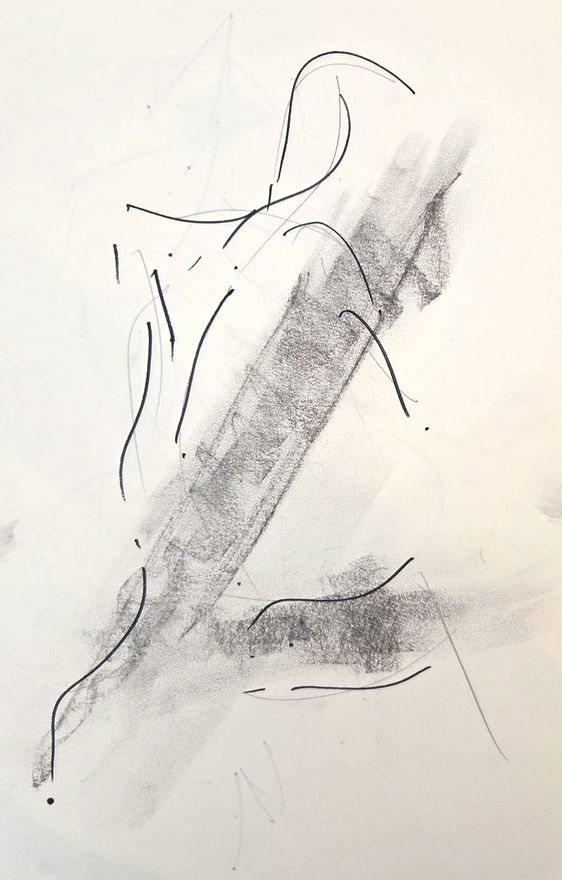
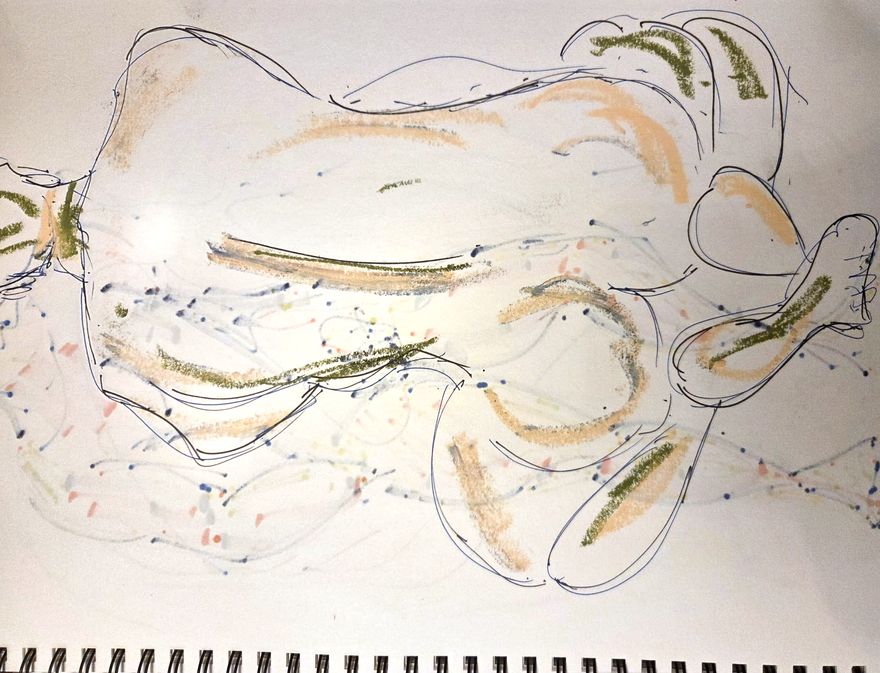
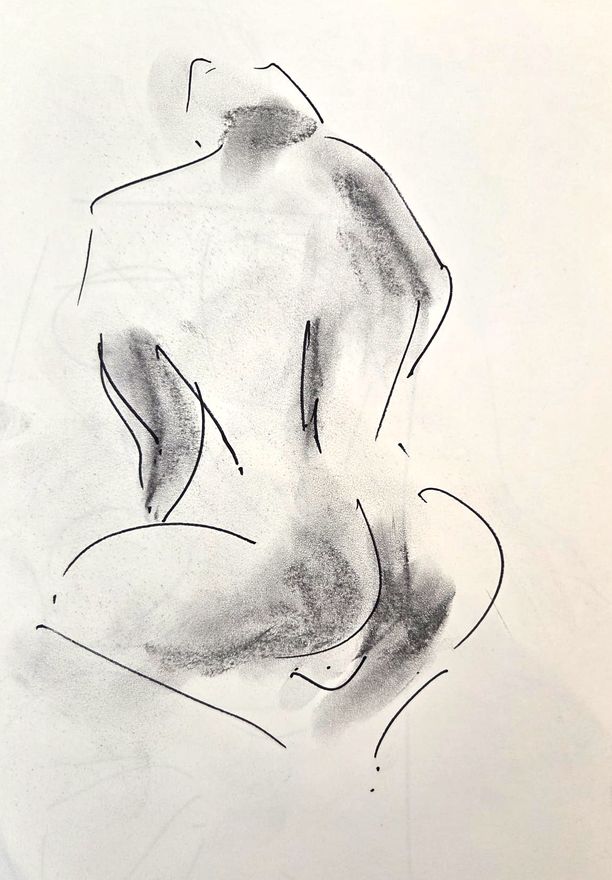
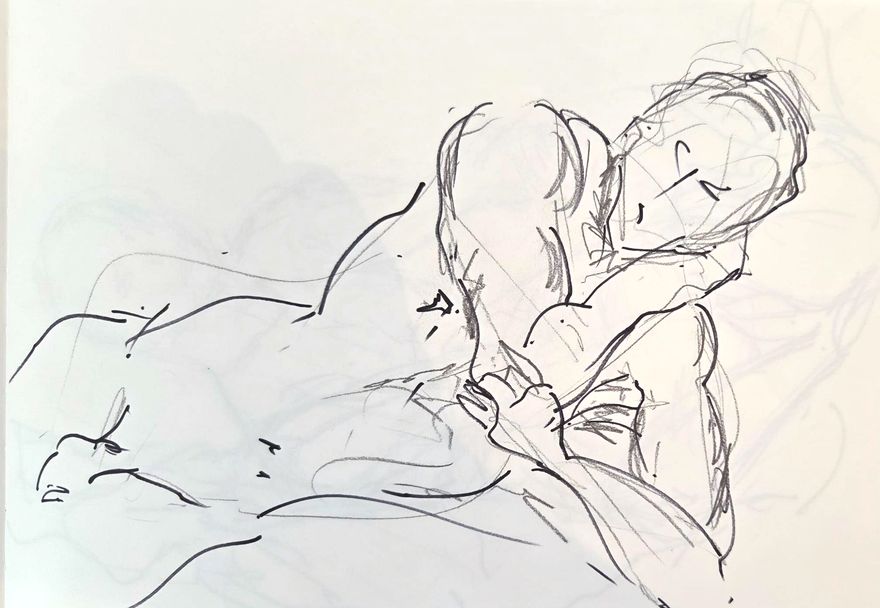
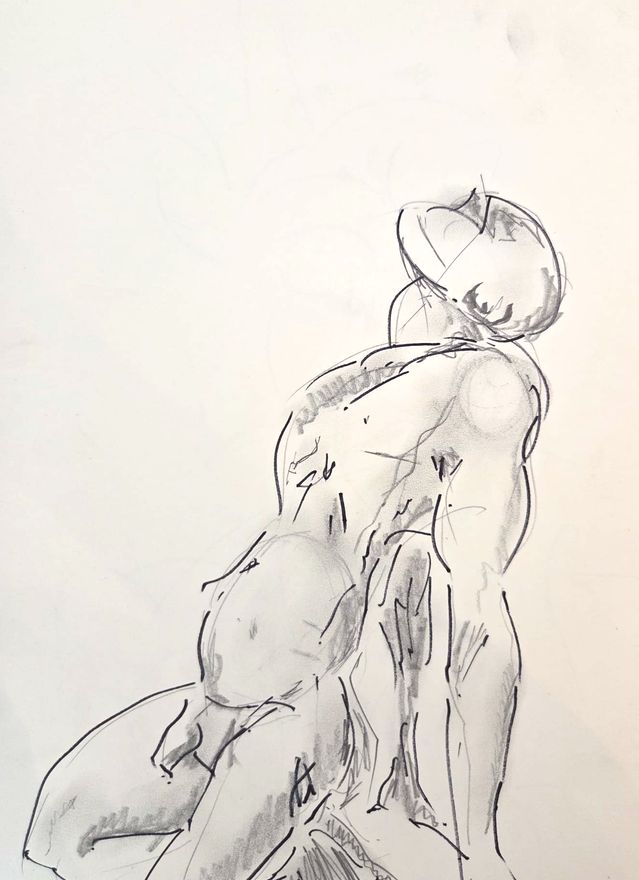
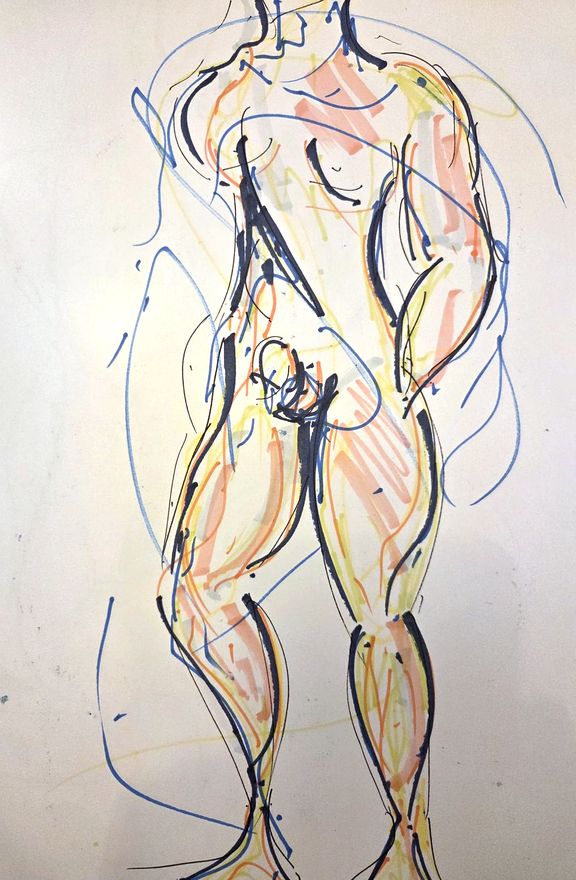
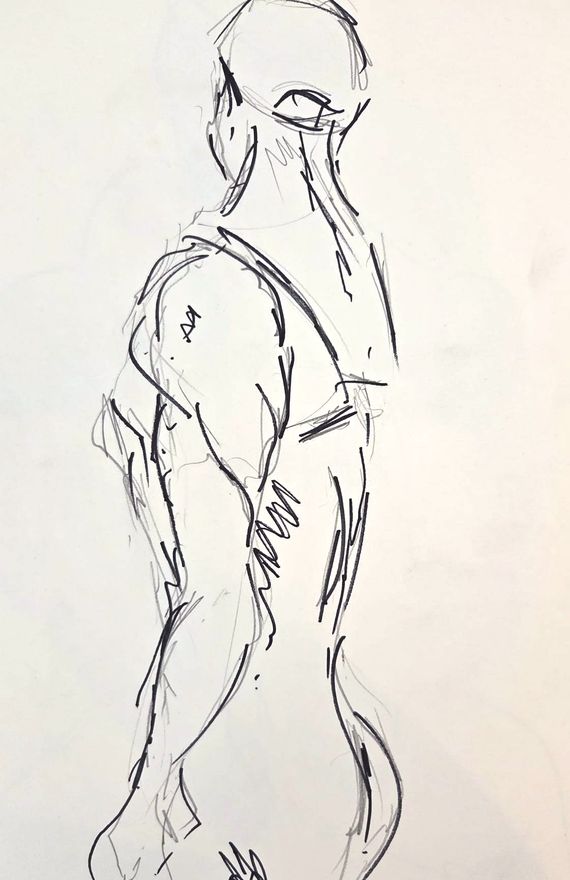
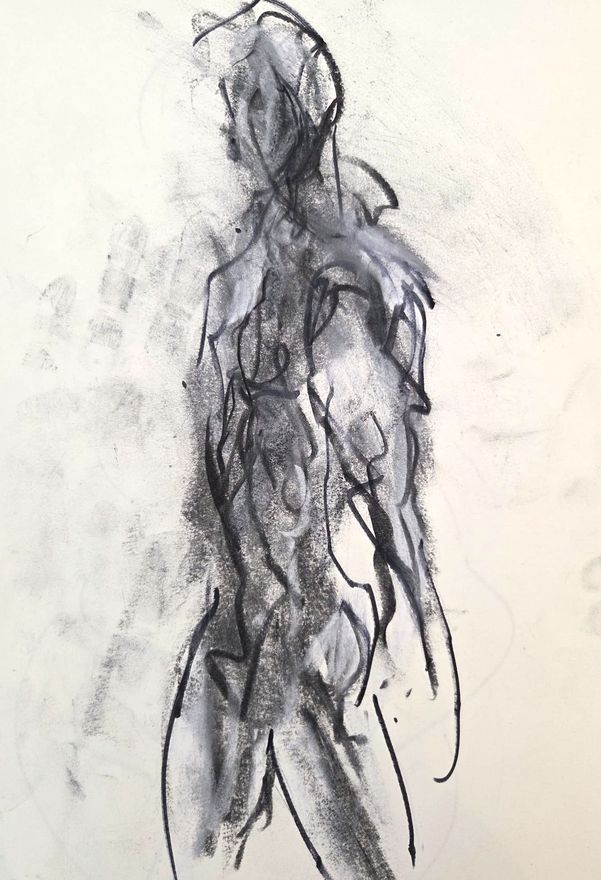
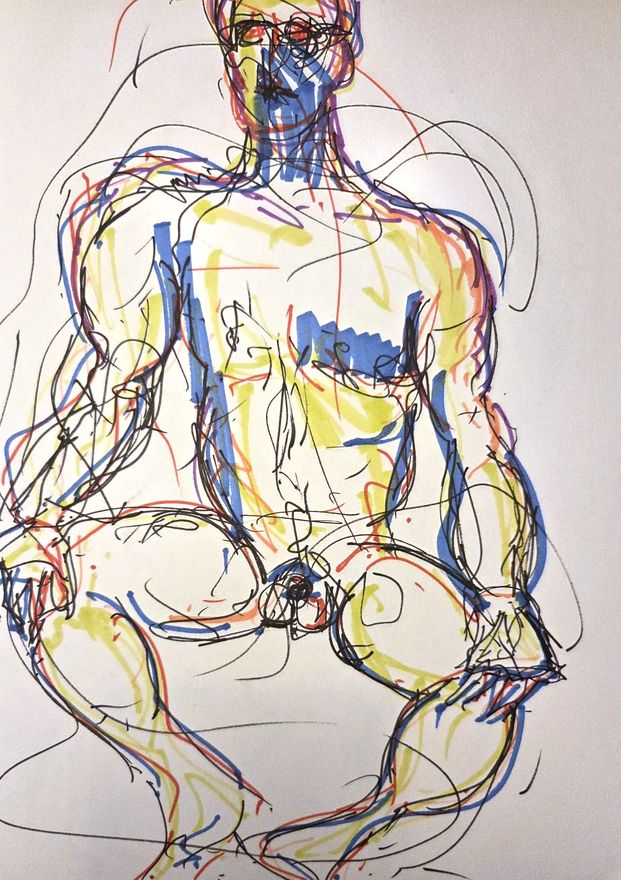
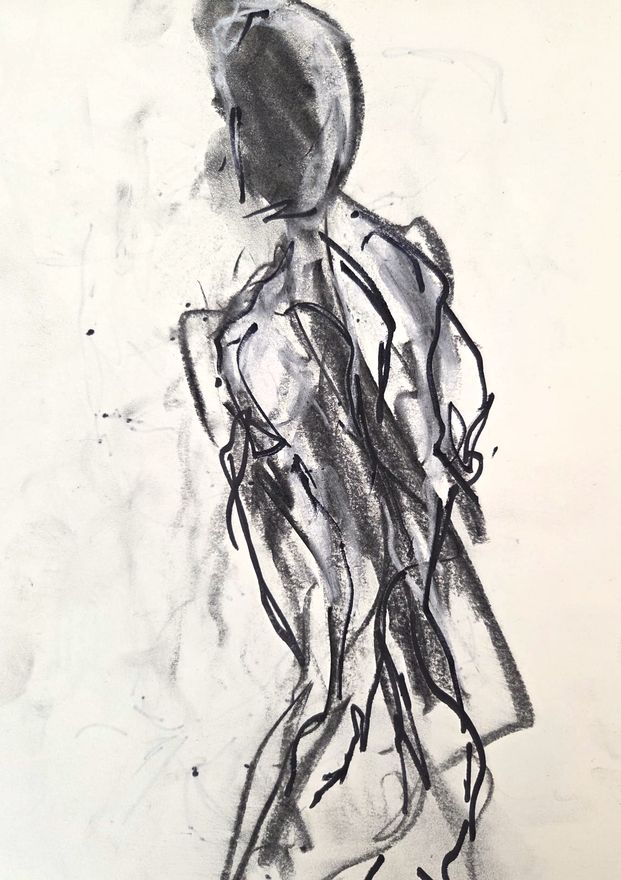
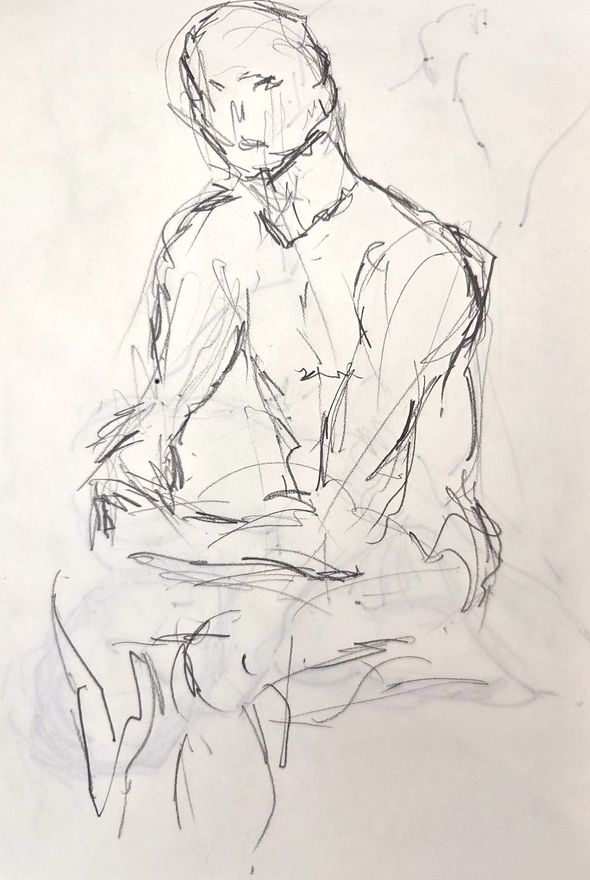
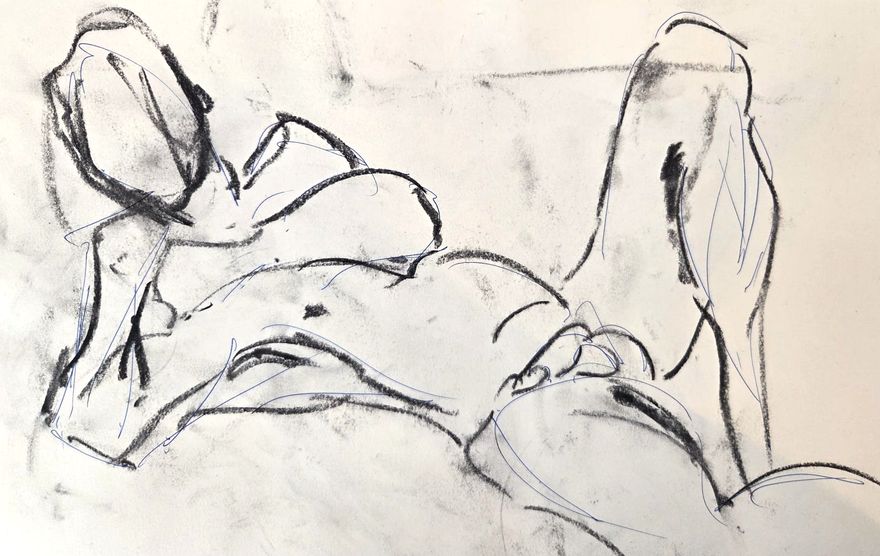
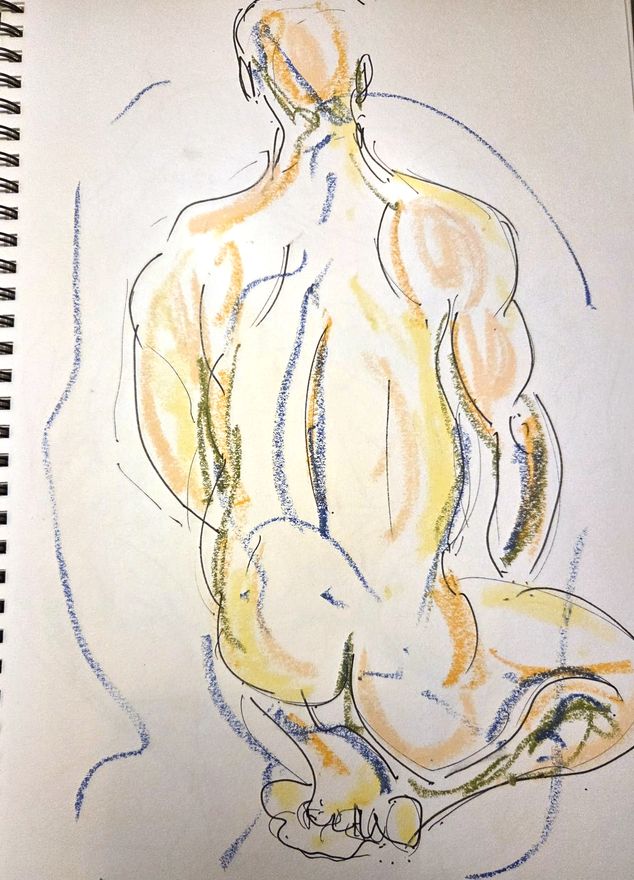
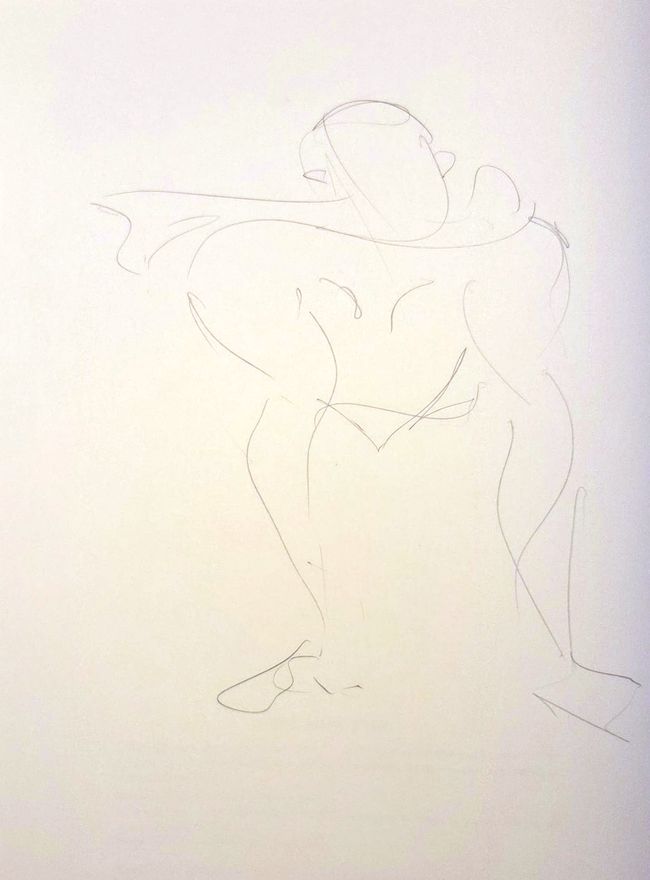
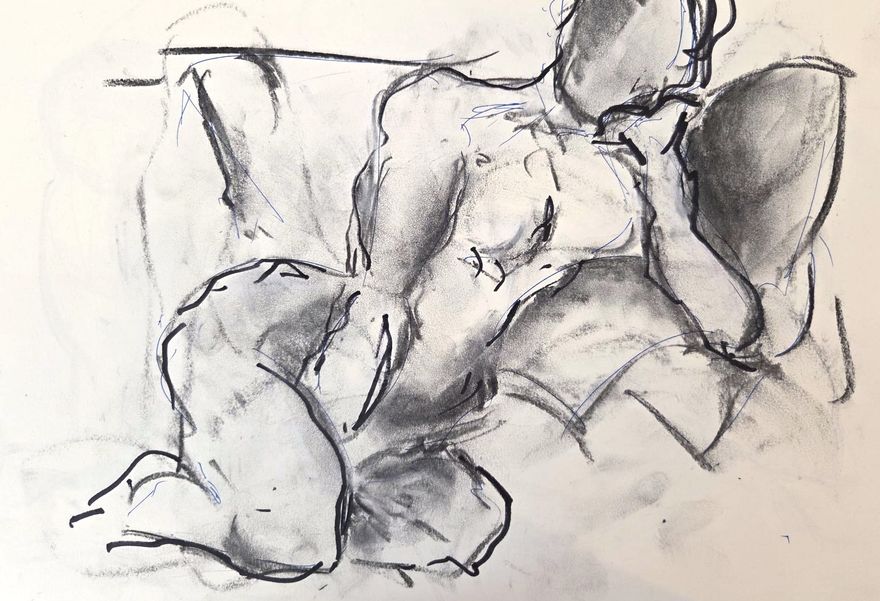
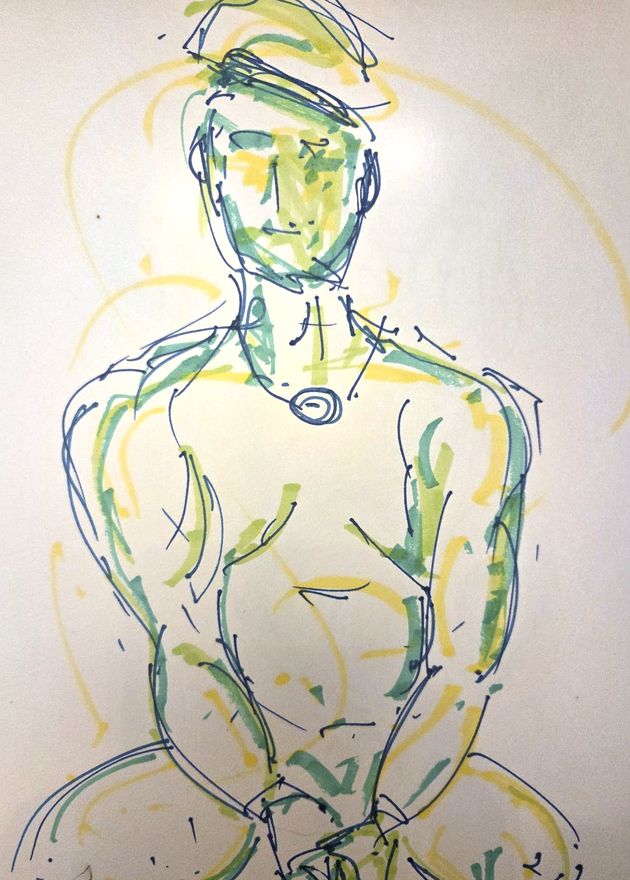
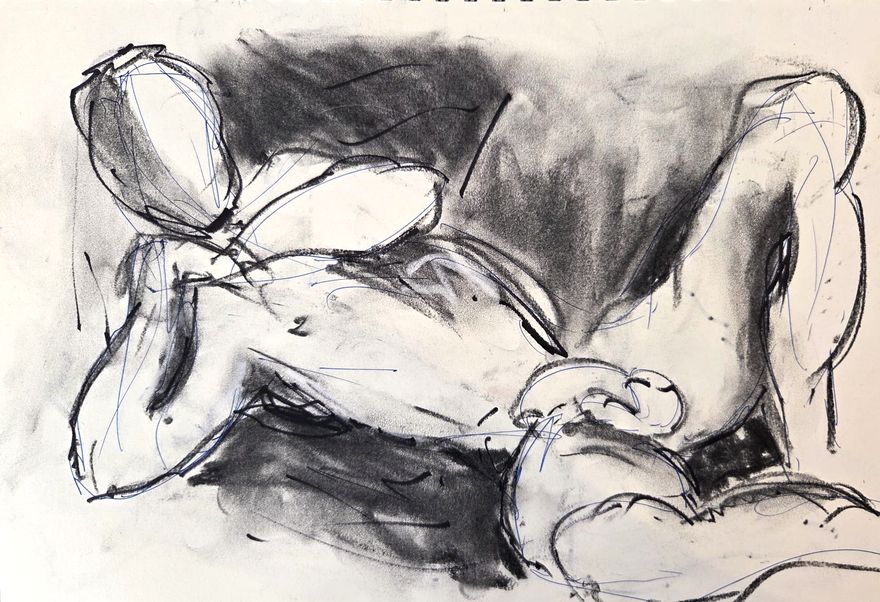
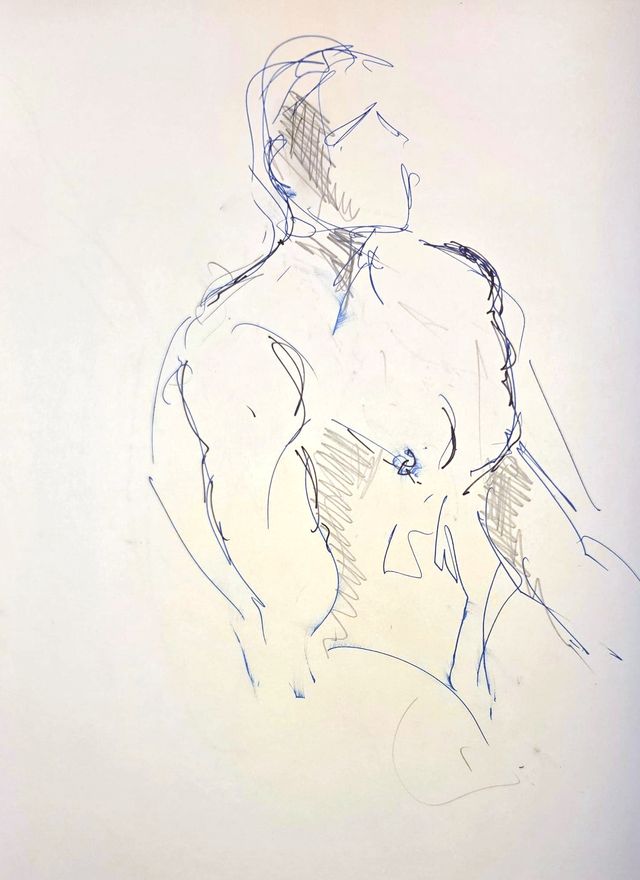
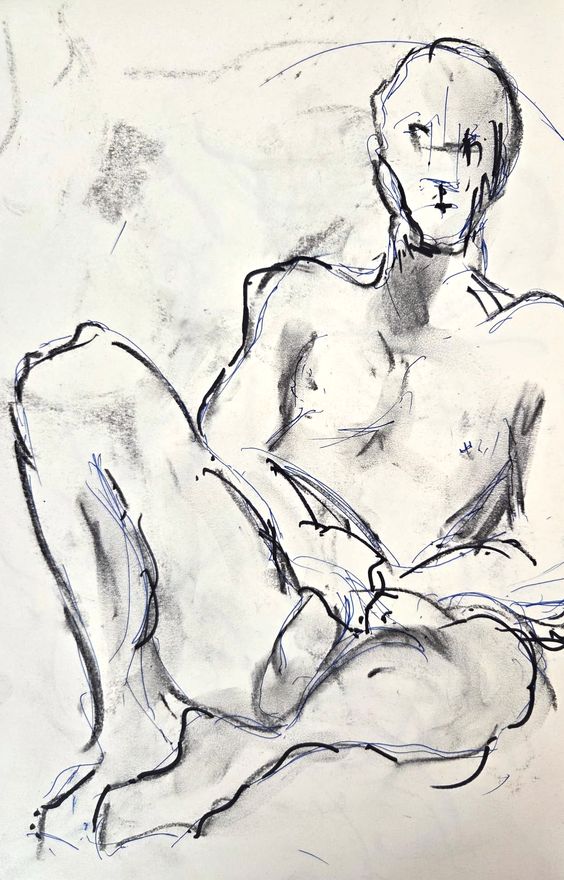
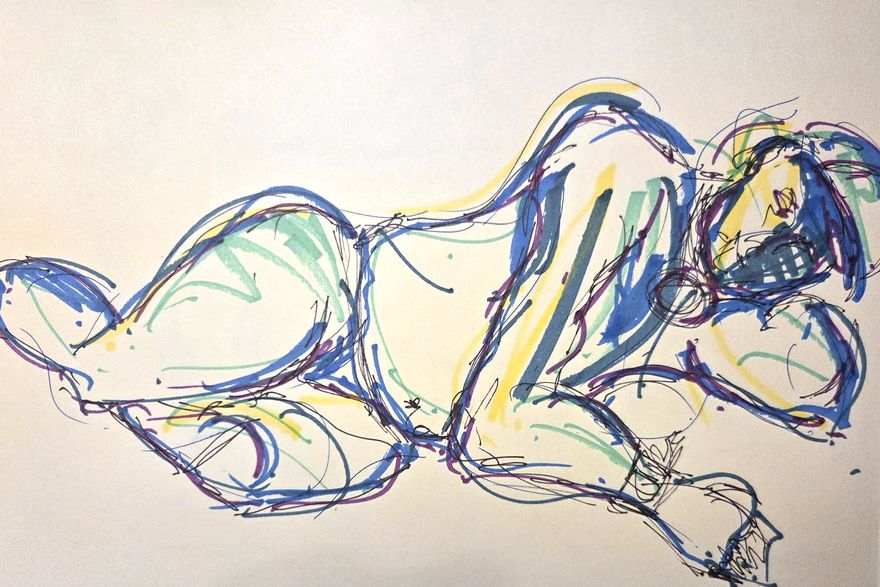
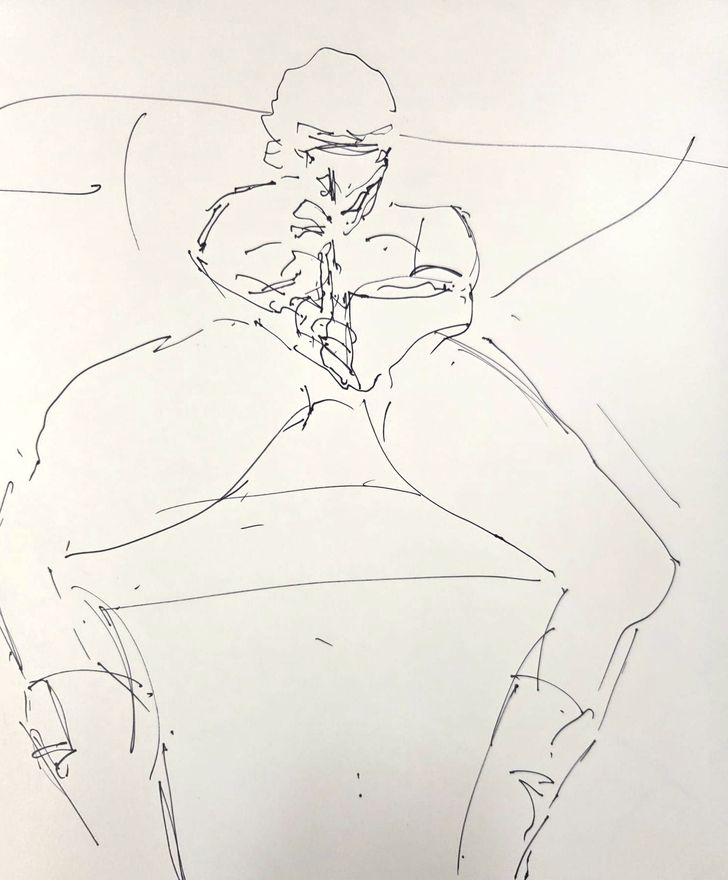
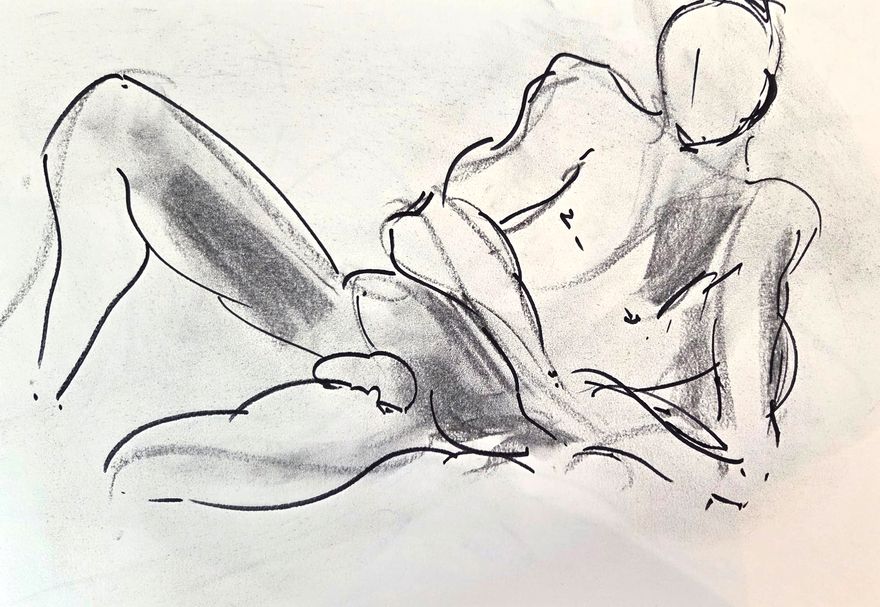
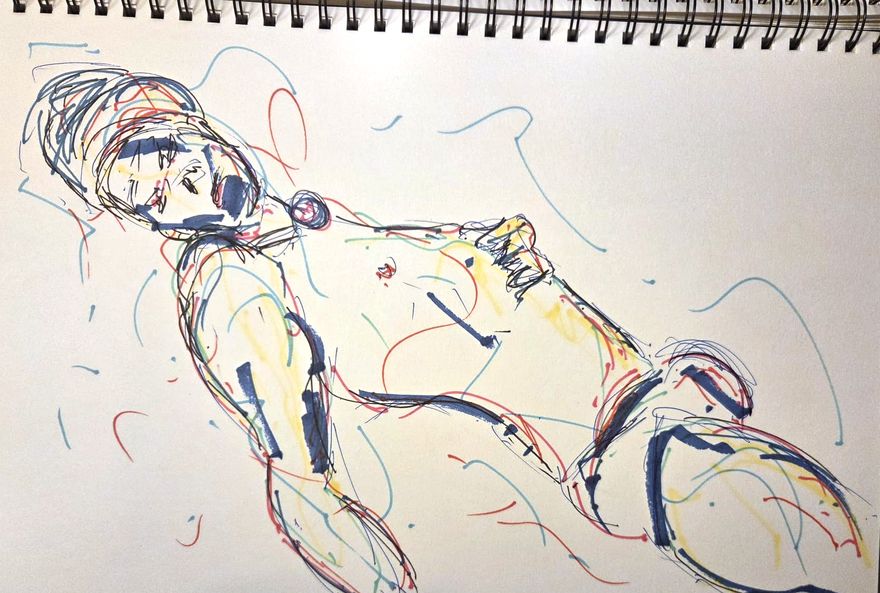
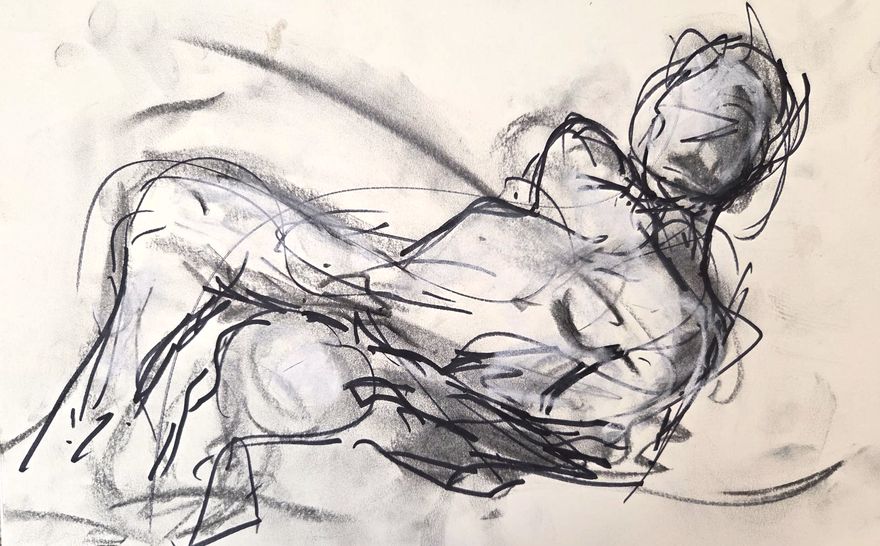
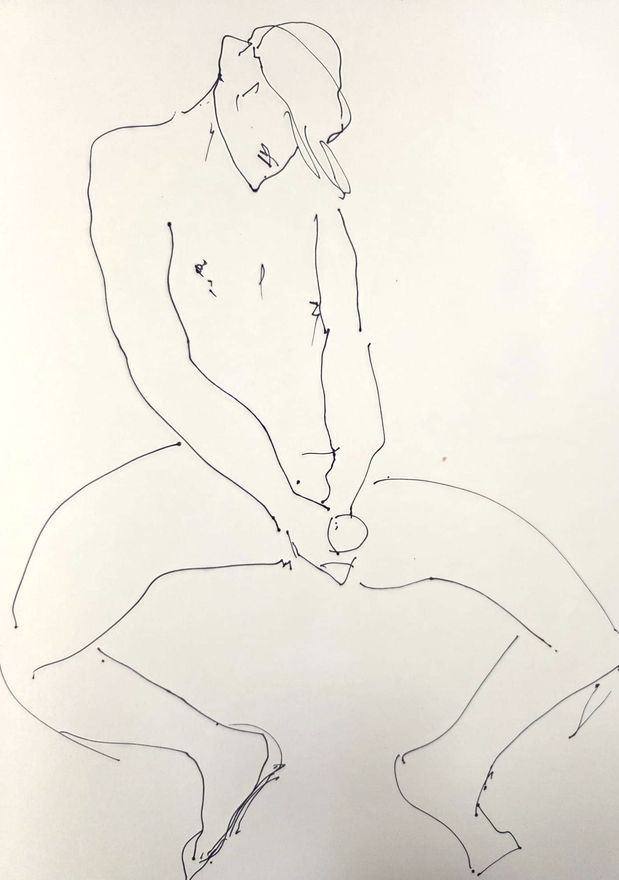
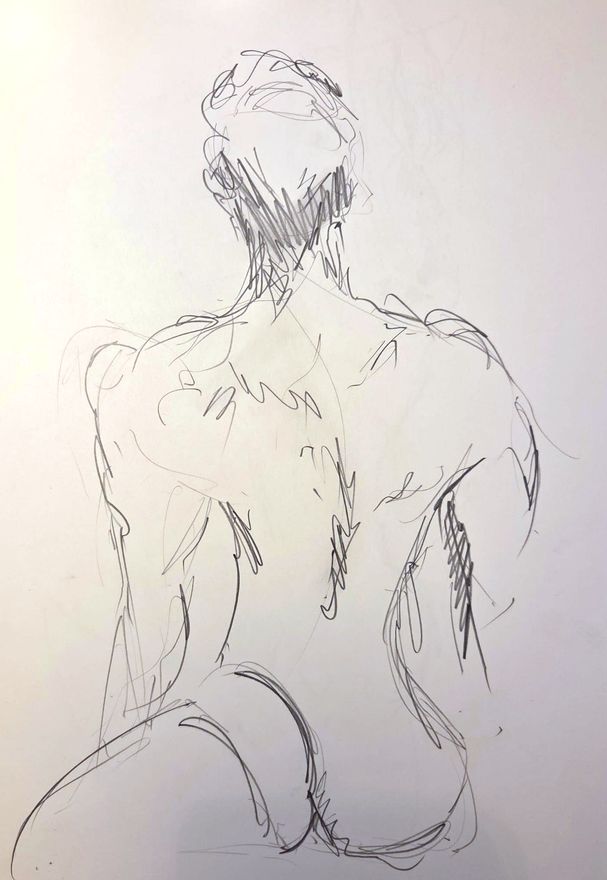
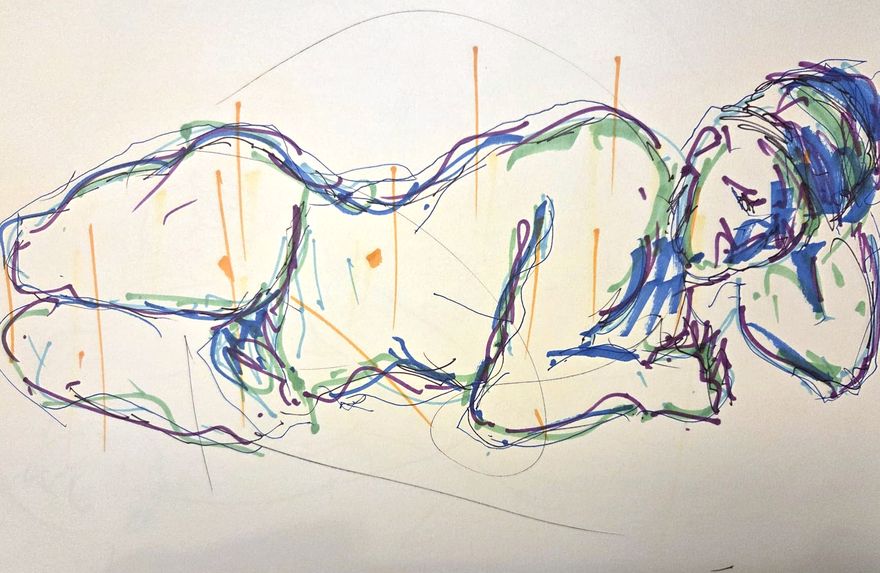
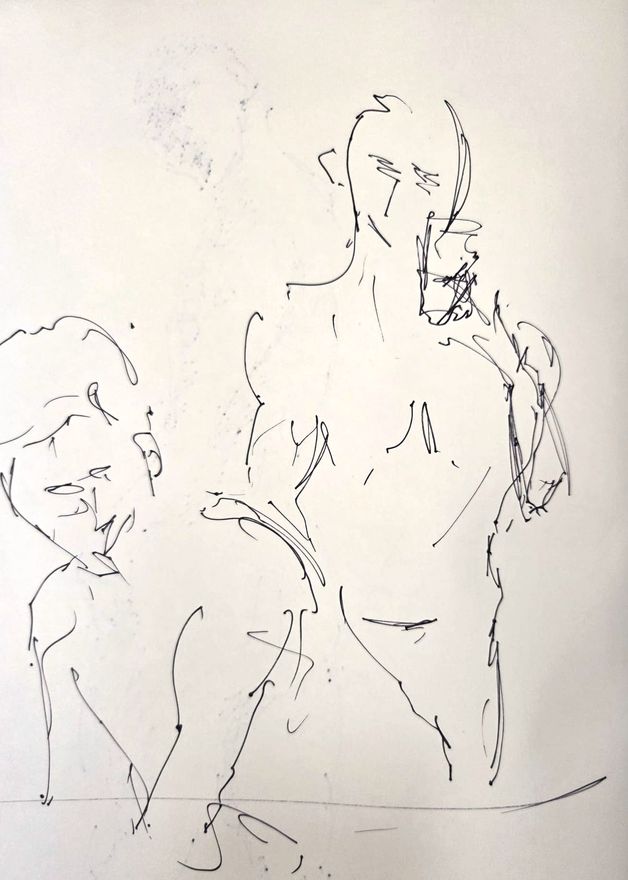
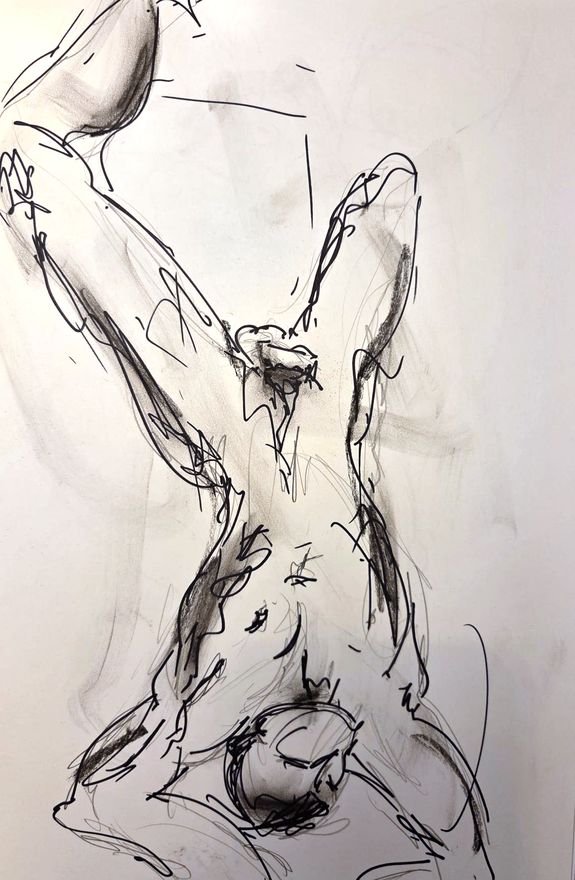
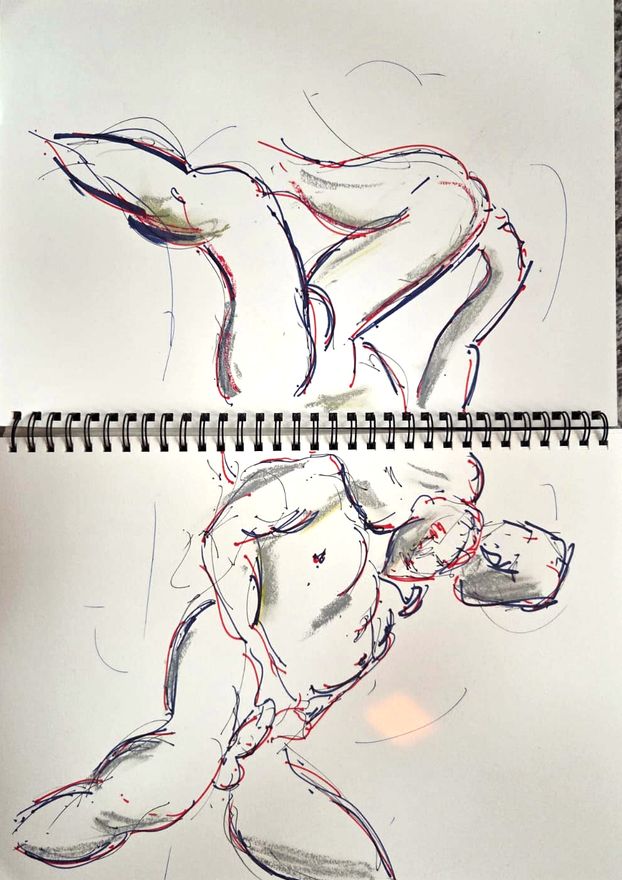
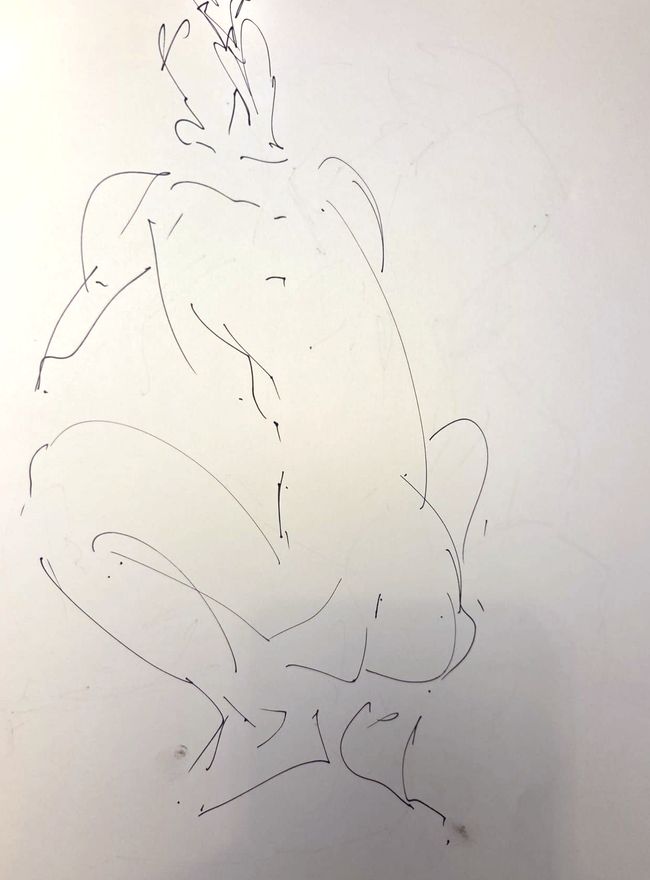
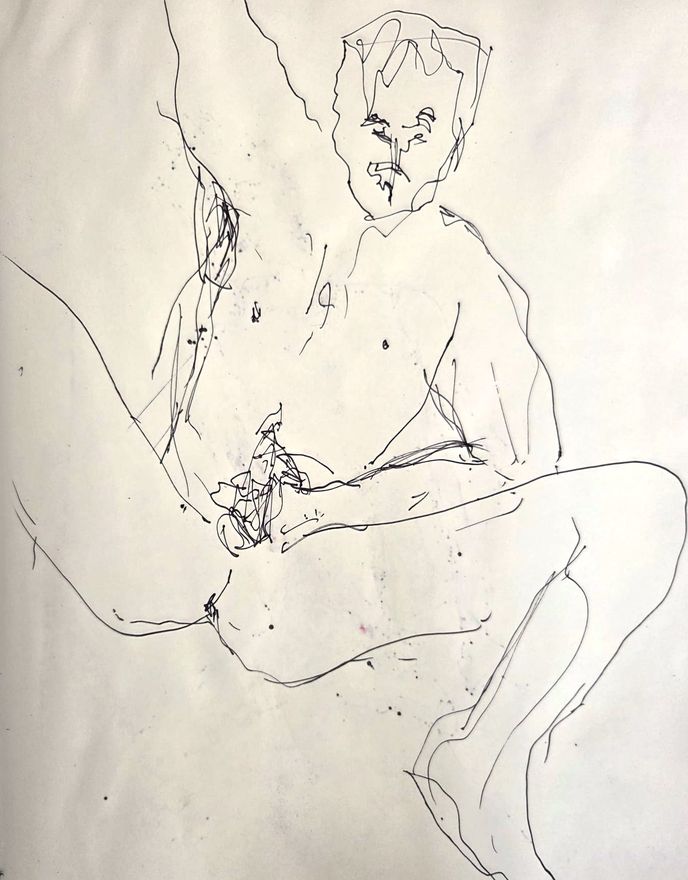
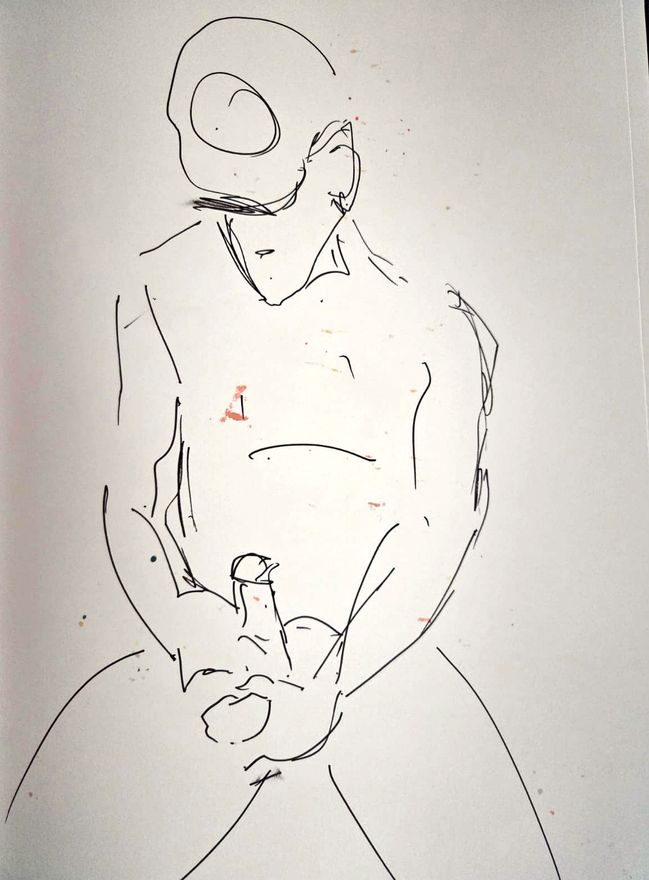
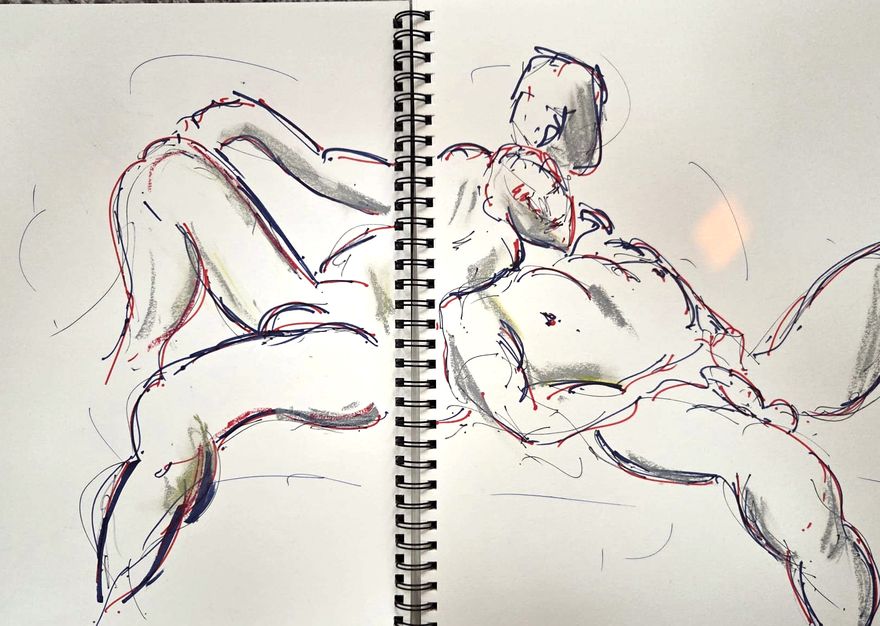
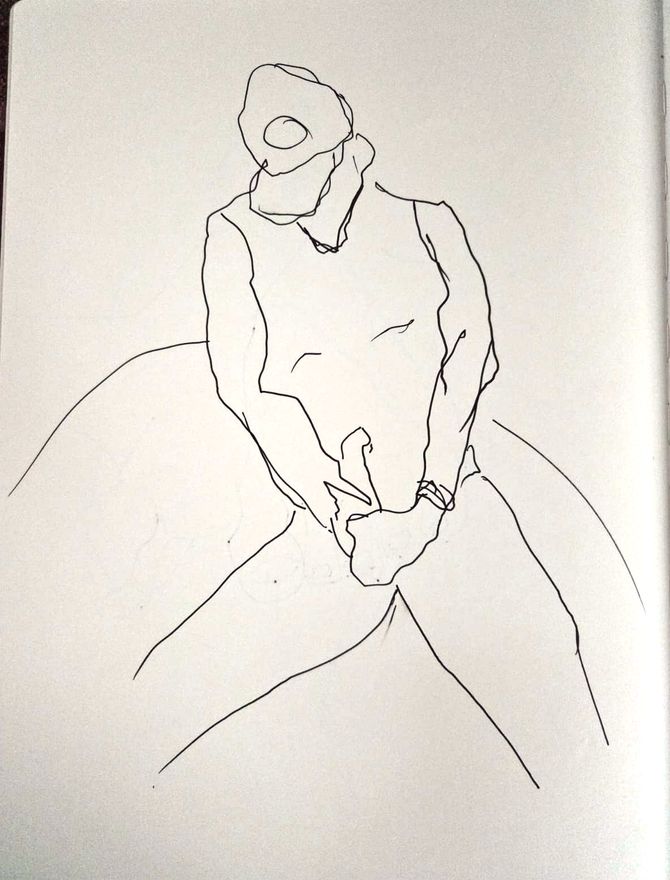
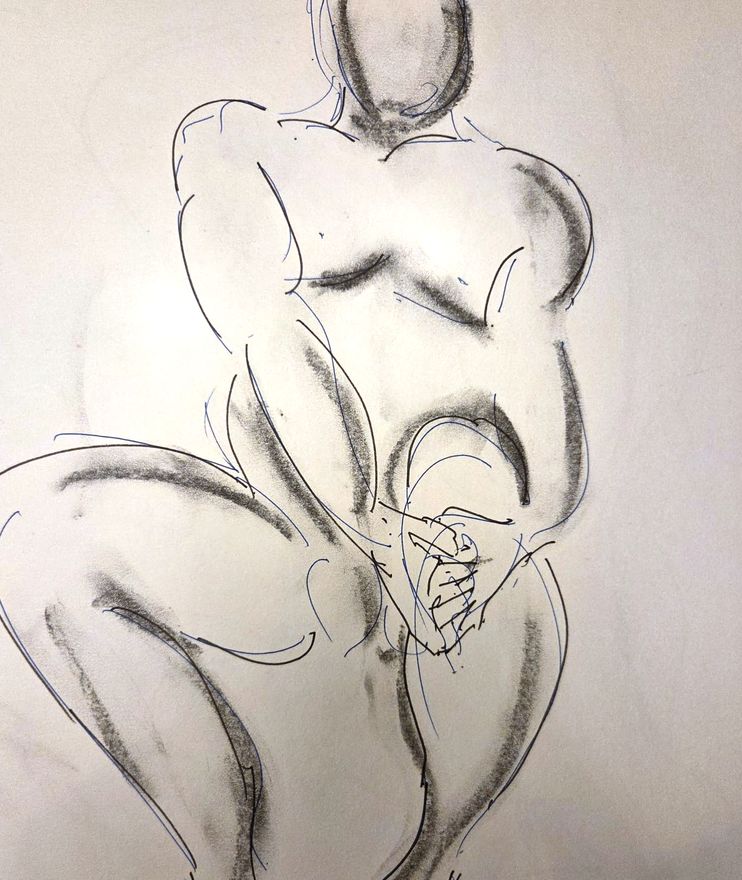
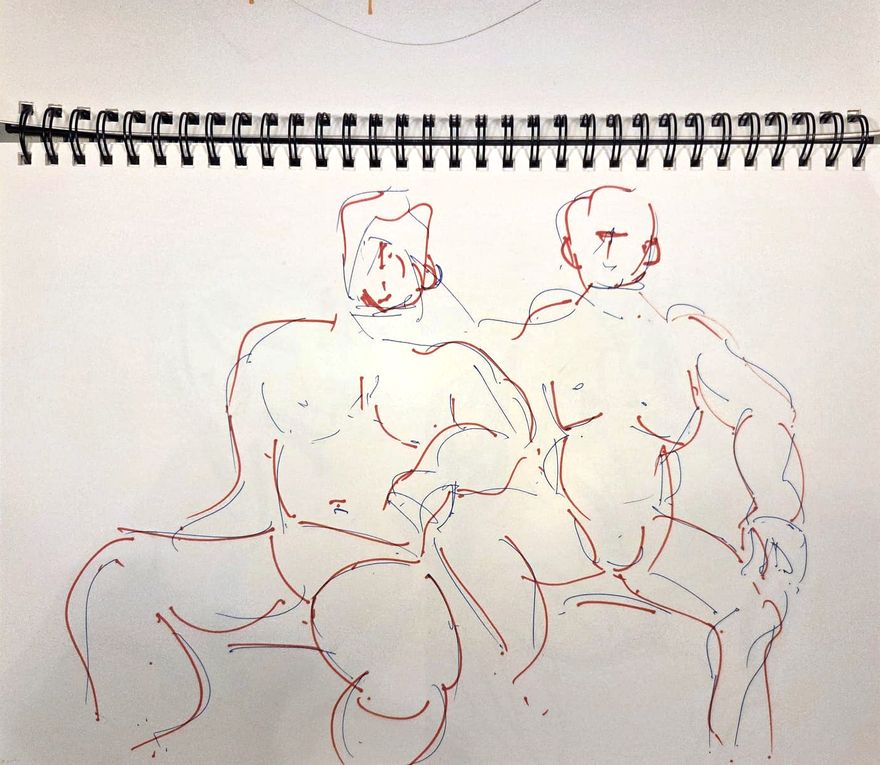
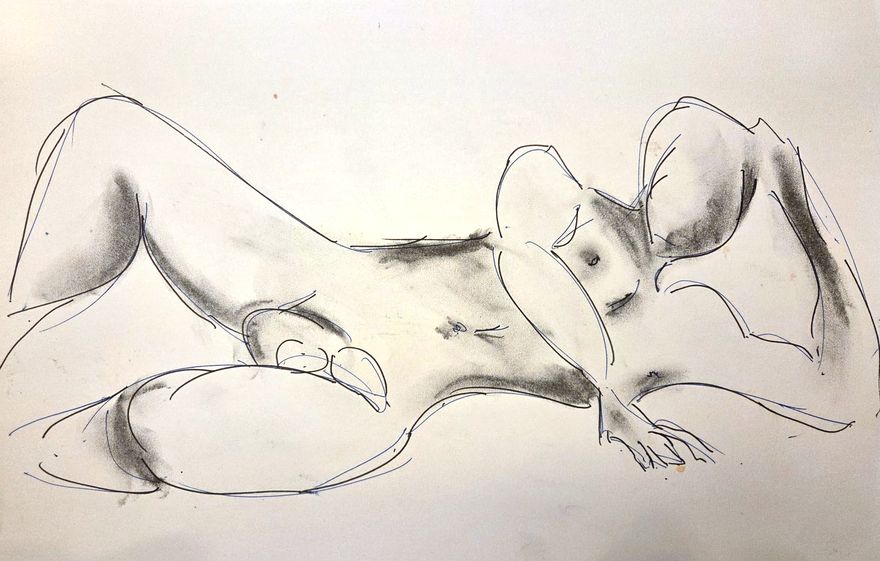
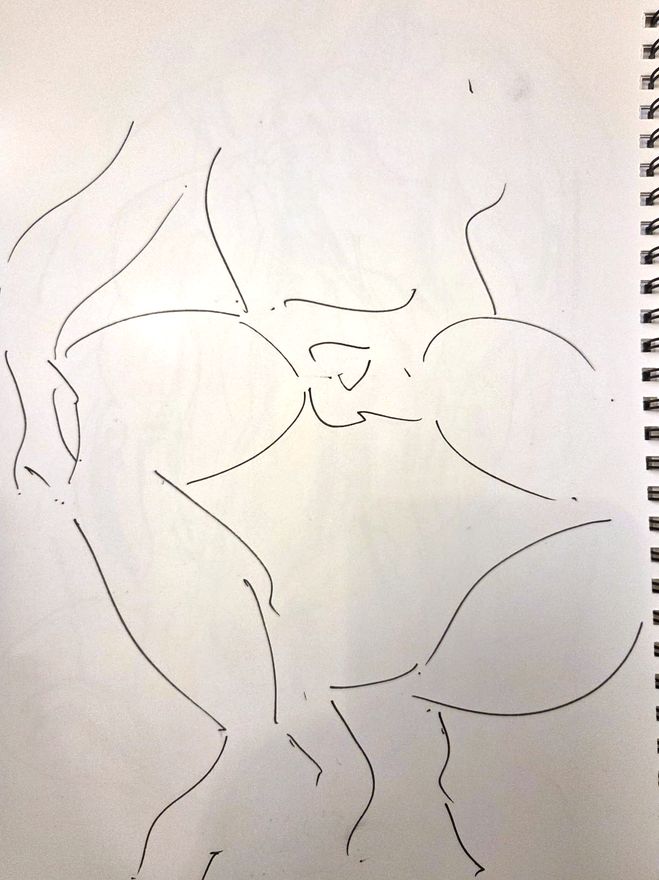
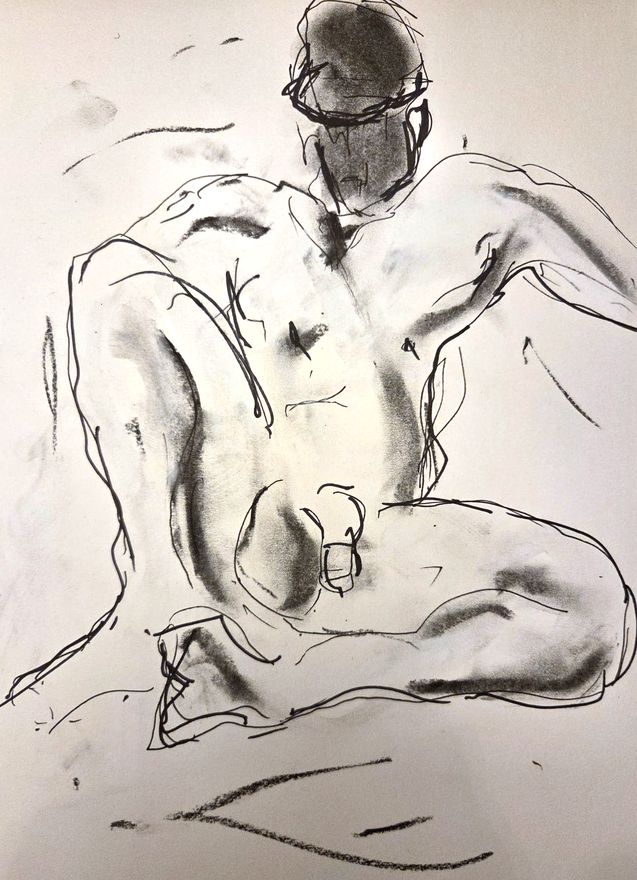
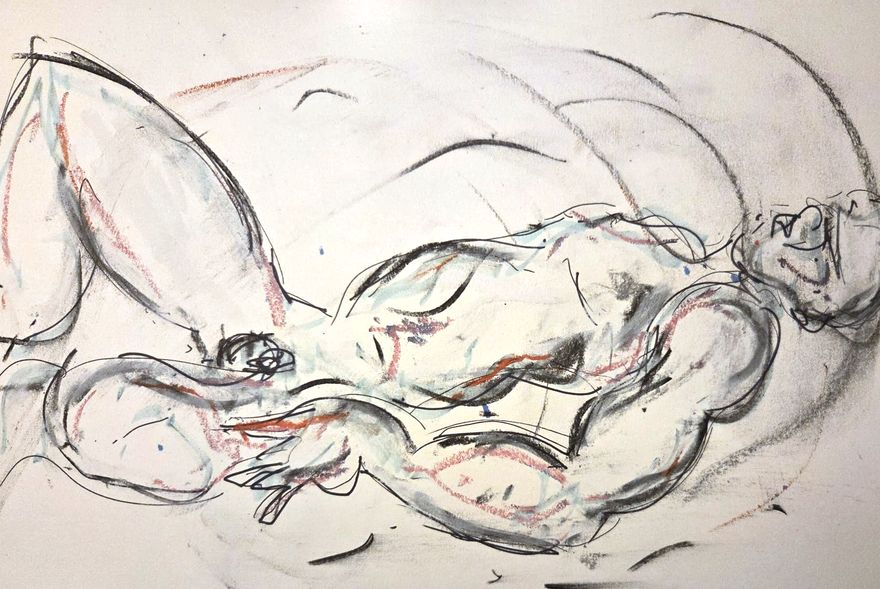
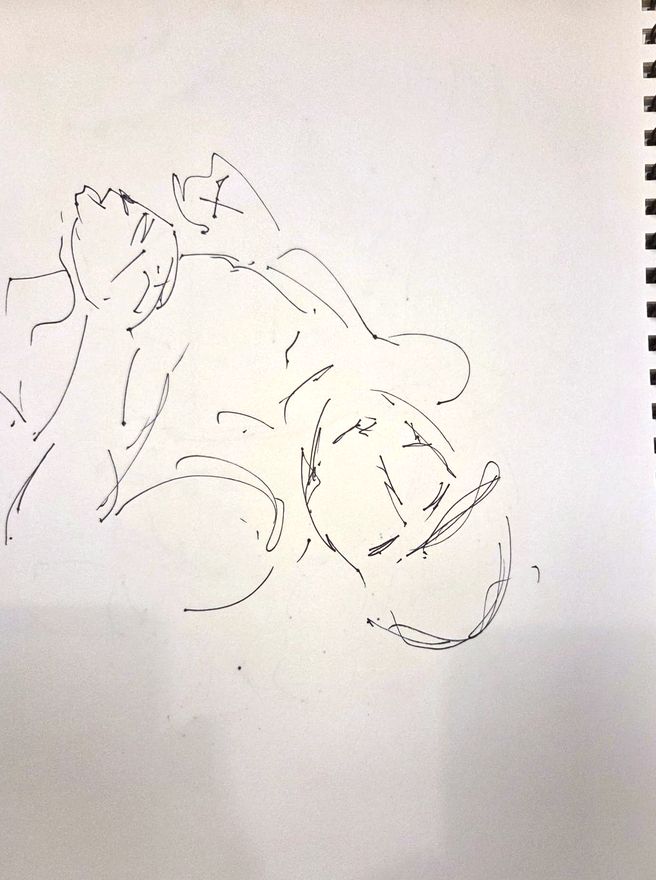
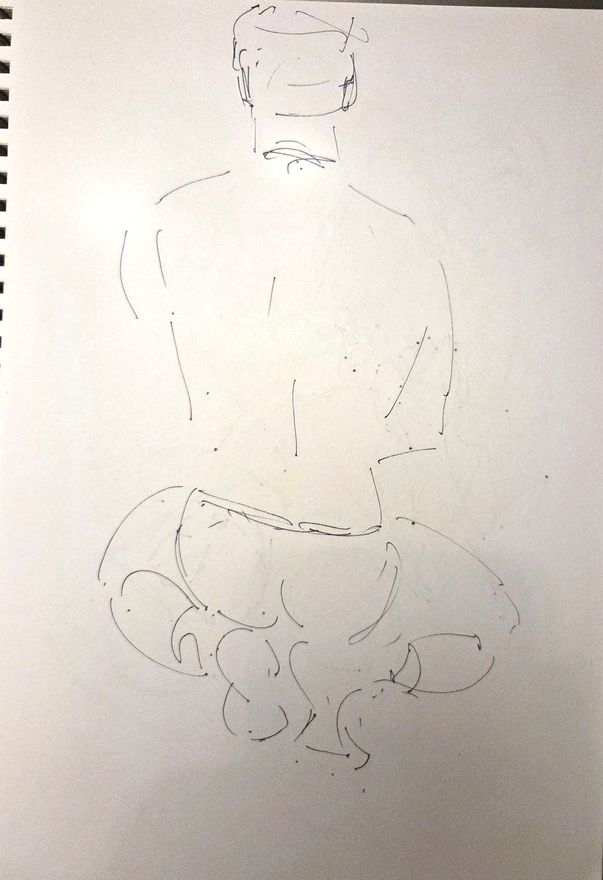
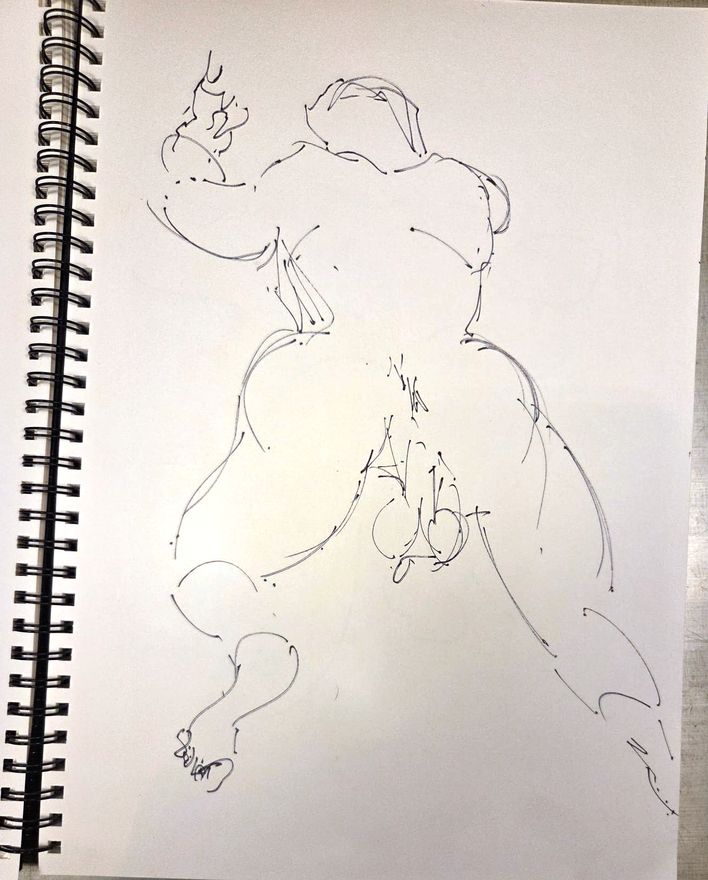
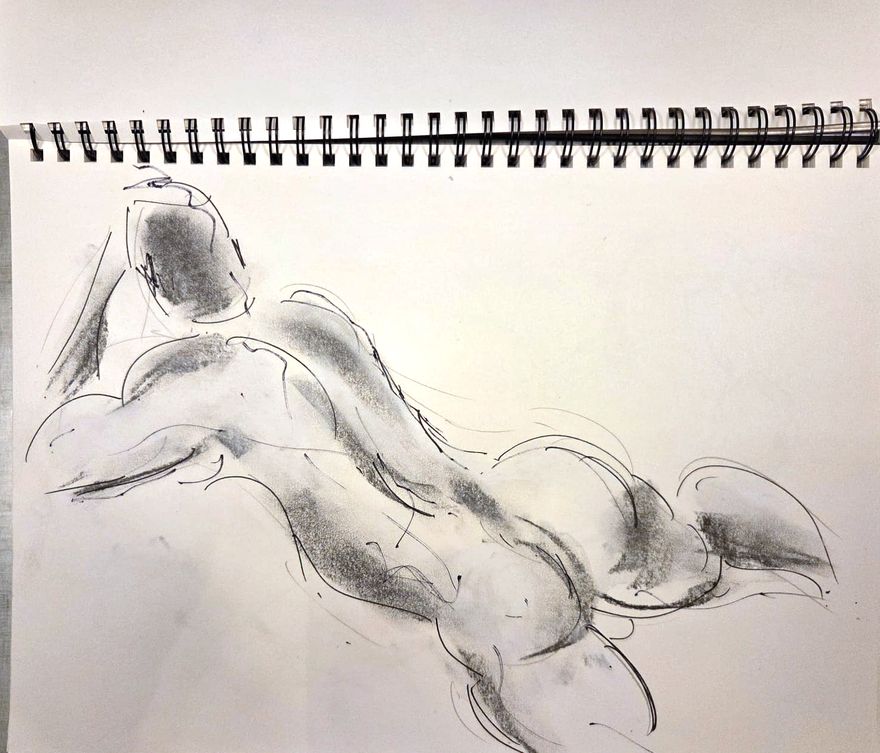
A shoulder becomes a line. A torso becomes pressure, weight, breath. A face disappears while a hand remains.
Statement
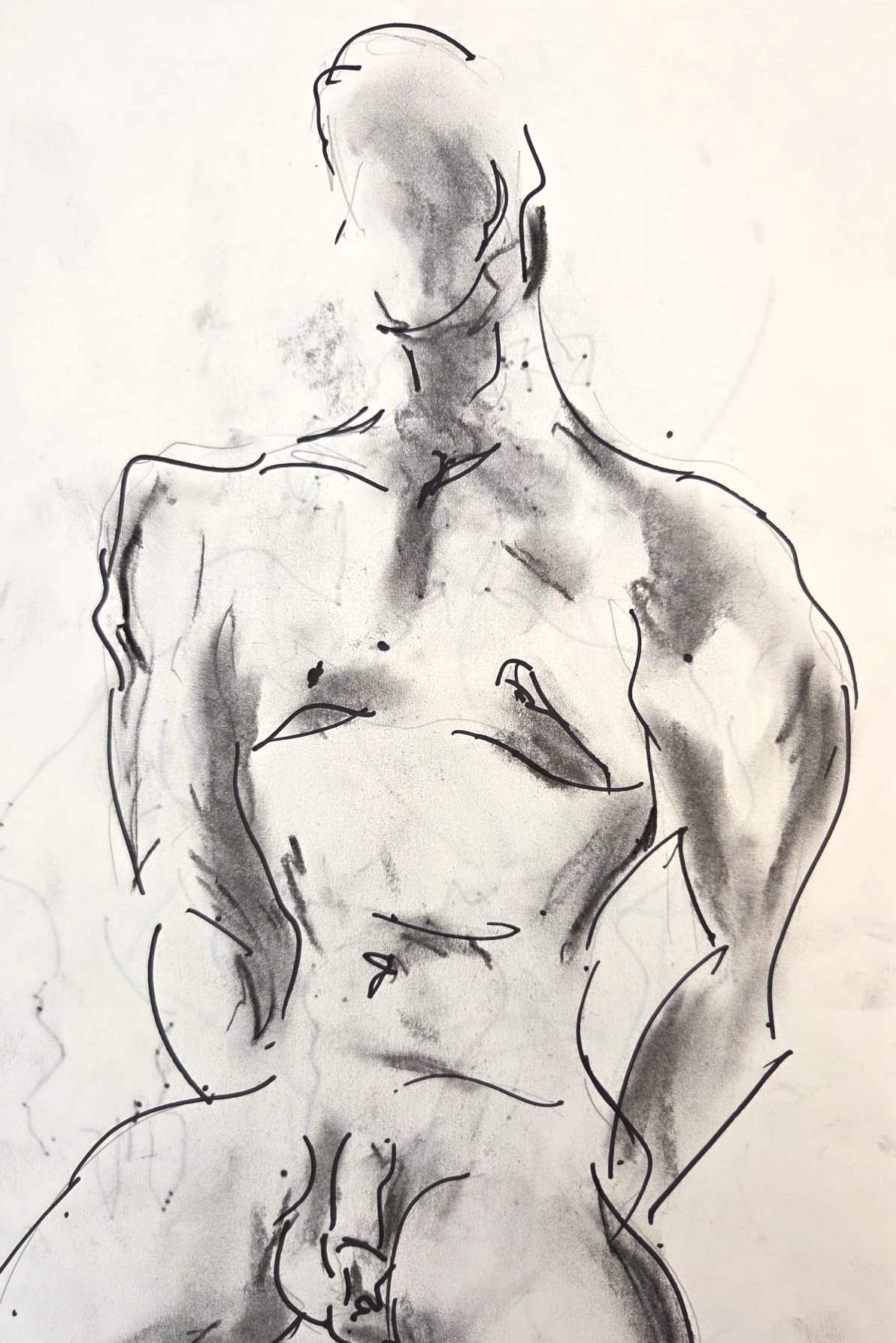
I draw gay men from life: quickly, intuitively, never chasing the whole picture.
These are not complete portraits. I am interested in something smaller and, to me, more honest: the version of a person that appears in a particular room, at a particular moment, while we are paying attention to one another.
It starts with looking. One man looks at another and the other allows himself to be seen. Something passes between us — trust, curiosity, humour, recognition, perhaps a little performance. The sitter is not passive and I am not neutral. Each drawing grows out of that exchange.
That exchange feels specifically queer to me. Gay men learn to read one another through glances, posture, hesitation and display. Sometimes a look is an invitation; sometimes it is a question. Sometimes it is simply the relief of recognising something of yourself in another man.
The drawings happen quickly, so there is no time to tidy them up. A shoulder becomes a line. A torso becomes pressure, weight and breath. A face disappears while a hand remains. The body arrives in fragments: one angle, a few minutes, and then it changes.
That incompleteness is the point.
I do not think people are ever finished, or that we ever fully know one another. We meet in glimpses: gestures, poses, flashes of confidence and vulnerability. We show different parts of ourselves to friends, strangers, lovers and ourselves. Closeness does not resolve the mystery; it simply gives us an encounter.
Some encounters are brief. Some soften into care or friendship. Some stay with us in ways we cannot quite explain. Often we never know exactly what we meant to one another, and the drawings do not try to settle that question.
They are records of attention and response: marks made while one man looks at another. There is warmth in them, awkwardness, tenderness and play. They ask what it means to look, to be seen in return, and to leave the room a little altered by the exchange.
Not complete portraits, but traces of two men briefly sharing the same space — where looking becomes attention, and attention leaves its mark.
Jason Broadbent
Three ways in
01
Curious about being drawn? A sitting is private, relaxed and collaborative, with plenty of time to talk, pause and find what feels right.
What sitting is like02
Ask about the availability of an original drawing, possible print editions, dimensions, medium, framing or price. If a particular work caught you, include its number.
Enquire about a drawing03
For exhibitions, editorial projects, collaborations or press, send a short note about what you have in mind and the relevant dates.
Start a conversationThinking of sitting?
Thank you for considering it. The best drawings happen when the sitter and I make something together. It is less about holding a perfect pose and more about paying attention to the feeling of a person in a particular moment.
I hope it feels like an opportunity to be seen honestly and respectfully. We will talk everything through first, look at some previous work and only begin when it feels right.
There is no pressure to perform or push through discomfort. You set the pace.
A sitting usually lasts around two hours, but that includes conversation, drinks, breaks and several shorter poses. You will not be expected to hold one position for the whole session. The studio is private and we can pause whenever you need to.
You decide what you wear, which poses feel comfortable and when you want a break. Consent is not a one-off yes: you can change your mind, pause or stop at any point. The same applies to me. It is a professional artistic session, with clear boundaries on both sides.
I draw quickly, so a shoulder might become a line while a face disappears completely. I am looking for a trace of the encounter rather than a polished likeness. I do not take reference photographs of sitters during the session, and I will share the drawings with you as they develop.
We will look through the work and talk about how the sitting felt. I photograph finished drawings for my records and may show them online, in exhibitions, publications or as part of my wider practice. Sitters are not named alongside the work. If you would like copies, I am happy to provide them where possible; original works remain with me unless we agree something different.
You do not need to arrive knowing how to pose. Curiosity is enough.
Ask me about sittingThe quickest way to get in touch is through Instagram.
Message Jason on Instagram